
Game-specific reverse engineering posts
Edit on Github | Updated: 26th April 2026This page collects all the posts that are related to reverse engineering a specific game rather than an entire console or platform. It starts with a curated set of notable game pages grouped by platform, then points to a few external deep dives that are worth studying, and finally ends with an automatically generated index of broader tagged pages. This makes it easier to browse the highlights first without losing the wider archive.
Decompiled Retail Console Games
This page maintains a comprehensive, curated list of retail console games that have been successfully reverse engineered and decompiled back into compilable source code (C/C++). It tracks the progress of major community projects across platforms like the Nintendo 64, GameCube, and PlayStation, including high-profile achievements such as Super Mario 64, The Legend of Zelda: Ocarina of Time, and Jak and Daxter. We have a specific post all about it here:
Retail Console Game Source code (C/C++)
We have a specific page that serves as a directory for officially released or leaked source code of retail console games, specifically focusing on the official source code rather than disassemblies and decompilations:
Game Engines & Middleware
Game engines provide the foundational logic for graphics, audio, and input, while middleware focuses on specific subsystems like physics (PhysX) or sound (FMOD). Our page explores the evolution of these tools, from proprietary in-house engines to commercial giants like Unity and Game Maker, and categorizes them by platform to aid in reverse engineering efforts.
Games with Debug Symbols
We have a specific post that aggregates all our posts on games with debug symbols separated by console platform here:
Arcade Games
This section collects our arcade game-specific posts:
Batman Forever - The Arcade Game
This post covers the arcade version of Batman Forever, focusing on the game itself rather than the wider Midway arcade hardware family.
NES Games
This section collects our NES game-specific posts and source code investigations:
Super Mario Bros
This post covers reverse engineering work on the original Super Mario Bros for the NES, including analysis and tooling around one of the most studied 8-bit platformers.
Home Alone 2
This post covers the recovered Home Alone 2 NES source code and explains what survives in the archive for researchers interested in late-era commercial NES development.
External Deep Dives
This section highlights external reverse engineering breakdowns for specific games that are useful companion material alongside the internal posts above:
The Final Fantasy Battle Engine: A Dissection of Physical Attacks
Displaced Gamers has an excellent video dissecting the underlying code, hidden math, and bugs governing physical attacks in the original NES Final Fantasy. The video explores how battle stats like accuracy, critical hit rates, and elemental weaknesses are processed in Assembly, revealing several programming oversights that heavily impact gameplay. It provides a fascinating look into early RPG mechanics and console game reverse engineering.
Core Architecture:
- System Scope: Analysis of the physical attack mechanics within the Final Fantasy (NES/Famicom) battle engine.
- Code Footprint: The execution logic for a single physical attack consists of 781 total bytes (excluding called subroutines), responsible for animation, damage calculation, and variable reporting.
Critical Engine Bugs & Logic Errors:
- Critical Hit Memory Fetch Error: When querying the ROM table for a weapon’s stored critical hit rate, the engine skips the instruction to load the stat. Instead, it writes the weapon’s index array ID into RAM. Consequently, later-game weapons (higher index table values) yield artificially high crit rates regardless of intended design.
- Ailment Application on Misses: Ailments run against
100 - Defender Magic Defenseand an RNG check. However, the logic utilizes a non-resetting running tally of connected hits to permit ailment rolls. If hit #1 connects, the flag turns non-zero; if hit #2 misses completely, the engine still executes the ailment roll against the player because the flag remains non-zero. - Elemental Weakness Inversion: When an enemy executes a physical attack carrying a status effect (e.g., Poison), the engine erroneously cross-references the player’s resistances against the enemy’s innate elemental weaknesses rather than the status type. (Example: Resisting Poison from a Scum enemy requires equipping Fire/Ice resistance, as the Scum is weak to Fire/Ice).
- Player Element Nullification: Weapons with elemental attributes (e.g., Flame Sword) fail to trigger elemental damage bonuses because the combat routine queries the player character’s element variable (which is nonexistent/null) instead of the equipped weapon’s variable.
- Stun/Sleep Accuracy Omission: When an attack target is under Stun or Sleep status, the attacker correctly receives a +25% attack power bonus. However, the logic jump bypasses the instruction to apply the attacker’s accuracy stat entirely, locking the base hit chance at a fixed
84%(168 base / 200).
Game Boy Games
This section collects our Game Boy game-specific posts and source code investigations:
Pokemon Red and Blue
This post covers reverse engineering Pokemon Red and Blue on the Game Boy, including community reconstruction work and related historical material about the games’ development.
Pokemon Original Source Code Leak
This post covers the leaked original Pokemon source material and explains what it reveals about the early Game Boy-era codebase and development process.
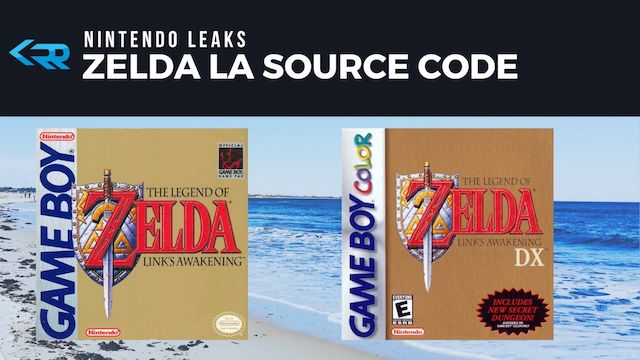
Zelda Link’s Awakening
This post covers the leaked original The Legend of Zelda: Link’s Awakening Game Boy source code and the value of the archive for studying Nintendo’s handheld development workflow.
Game Boy Color Games
This section collects our Game Boy Color game-specific posts:
Zelda Link’s Awakening DX
This post covers the Link’s Awakening DX source code materials, showing how the Game Boy Color revision differs from the earlier monochrome release.
Super Nintendo Games
This section collects our Super Nintendo game-specific posts and source code investigations:
F-Zero
This post covers the leaked F-Zero source code and what it shows about early Super Famicom launch-era game development.
Super Mario Kart
This post covers the leaked Super Mario Kart source code and the surrounding development files that help document Nintendo’s Mode 7 racing workflow.
Super Mario Collection / All-Stars
This post covers the source archive for Super Mario Collection / Super Mario All-Stars, including how Nintendo adapted earlier NES titles for the Super Nintendo.
Star Fox
This post covers the leaked original Star Fox source code and the technical context around Nintendo and Argonaut’s early polygon pipeline.
Star Fox 2
This post covers the leaked Star Fox 2 source code and the unfinished but historically important state of the project.
Wild Trax / Stunt Race FX
This post covers the leaked source code for Wild Trax / Stunt Race FX, a useful case study for Super FX-powered racing technology on the SNES.
Yoshi’s Island
This post covers the leaked Yoshi’s Island source code and the implementation details behind one of Nintendo’s most visually distinctive 2D platformers.
The Legend of Zelda - A Link to the Past
This post covers the leaked A Link to the Past source code and its importance for understanding large-scale first-party Super Nintendo game development.
Development Art Archives
This section collects game-specific archive pages that focus more on art workspaces, asset pipelines, and development materials than on full source code releases:
Pilotwings 2D Art Workspace
This post covers a recovered Pilotwings 2D art workspace, which is useful for studying Nintendo’s internal art production flow rather than the gameplay code itself.
SimCity SNES 2D Art Workspace
This post covers the SimCity SNES art workspace files, giving a narrower look at how project assets were organized during development.
Star Fox 2 2D Art Workspace
This post covers a Star Fox 2 art workspace archive that complements the source-code page by showing more of the project’s asset-side workflow.
Stunt Race FX 2D Art Workspace
This post covers a Stunt Race FX / Wild Trax art workspace archive, which helps document the content pipeline around a Super FX title.
Super Mario Kart 2D Art Workspace
This post covers the Super Mario Kart art workspace files, which are useful for understanding track and sprite production outside the main game code.
Zelda Link’s Awakening 2D Art Workspace
This post covers the Link’s Awakening art workspace archive and adds asset-side context to the related Game Boy source code material.
GameCube Games
This section collects our GameCube game-specific posts:
007 Agent Under Fire
This post covers reverse engineering work on the GameCube version of 007 Agent Under Fire, with attention to the game’s own binaries and assets.
Nintendo 64 Games
This section collects our Nintendo 64 game-specific posts and source code investigations:
Super Mario 64
This post covers Super Mario 64 reverse engineering, including tools, level work, and analysis tied to the best-known N64 decompilation effort.
Mario Kart 64
This post covers Mario Kart 64 specifically, gathering reverse engineering material around the game’s code, assets, and mechanics.
Turok 64
This post covers the official Turok Nintendo 64 source code archive and explains what it reveals about a major commercial western N64 production.
PlayStation 1 Games
This section collects our PlayStation 1 game-specific posts:
Crash Bandicoot
This post covers the original Crash Bandicoot on PlayStation 1, including reverse engineering notes and development context around Naughty Dog’s early PS1 technology.
Dreamcast Games
This section collects our Dreamcast game-specific posts and source code investigations:
Chicken Run
This post covers the recovered Chicken Run Dreamcast source code and what it shows about licensed late-era Dreamcast game production.
PlayStation Portable Games
This section collects our PSP game-specific posts:
Saints Row Undercover
This post covers the PSP prototype of Saints Row Undercover, including its unusual release history and what can be learned from the surviving build.
Multi-platform Games
This section collects game-specific posts that span multiple retail platforms:
The Simpsons Hit & Run
This post covers the Simpsons Hit & Run source code leak, which is relevant across multiple released platforms rather than belonging to a single console family.

PC Games
This section collects our PC game-specific posts and source code investigations:
Planet X3
This post covers Planet X3, a modern MS-DOS strategy game whose tooling and technical design make it relevant to retro PC development research.
External Deep Dives
This section highlights external reverse engineering breakdowns for specific PC games that are useful companion material alongside the internal posts above:
Deponia Magnet Puzzle Soft-Lock Fix
Nathan Baggs has a detailed video breakdown about reverse engineering a persistent, game-breaking bug in the point-and-click adventure game Deponia. The investigation covers diagnosing a magnet puzzle soft-lock using tools like Ghidra, x64dbg, and RenderDoc to analyze memory and engine behavior. By discovering an embedded Lua debugger (mobdebug) and decompiling the game’s bytecode (LuaJit), the root cause-a failure to initialize condition states upon reloading-is identified and resolved via custom Lua code injection.
Automatically Listed Game Pages
This final section is generated from site tags, so it acts as a wider catch-all index beyond the curated platform sections above:
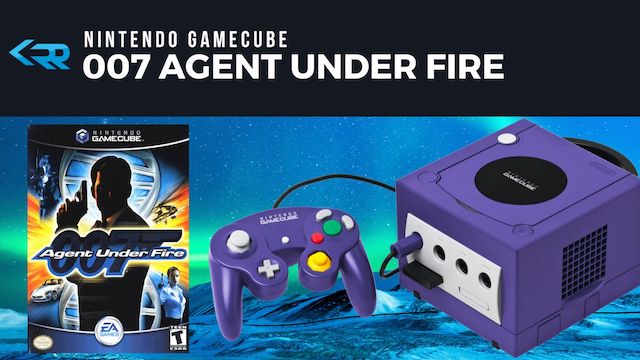
Introduction Welcome to our page dedicated to the technical details of the Gamecube game 007 Agent Under Fire!
If you’re a fan of this classic first-person shooter game, you might be interested in learning more about the technical aspects that...
...
As the name suggests Batman Forever is originally an Arcade Game that got ported to MS-DOS, the Playstation 1 and Sega Saturn by Iguana Entertainment (Acclaim Published).
The original arcade release was for the ST-V (Sega Titan Video Game System)...
...
Developed by Blitz Games (formerly known as Interactive Studios Limited) in 2000 as a cross platform action adventure game based on the movie with the same name.
Throughout the engine you will find referenced to the acronym isl (Interactive Studios...
...
Introduction to Crash Bandicoot Crash Bandicoot was one of the first 3D Platform games that managed to deliver both quality gameplay and impressive graphics for its time.
It was developed Naughty Dog for release on the original Playstation console with...
...
Introduction to Debug Symbols Finding Debug Symbols when reverse engineering a game is the equivalent of buying a Strategy Guide, all the secrets are unlocked which is awesome but it also removes part of the fun of discovering what each... ...
This post contains either decompiled or disassembled source code projects for console games that were sold at retail stores.
If you are interested to see officially released or leaked source code check out this other post: Retail Console Game Source...
...
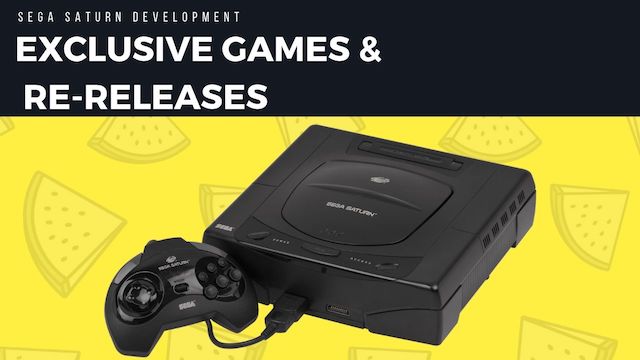
If you are interested in reversing a Sega Saturn game it can be useful to see what other platforms the game was released for, however if you don’t have a game in mind then this list can help you choose... ...
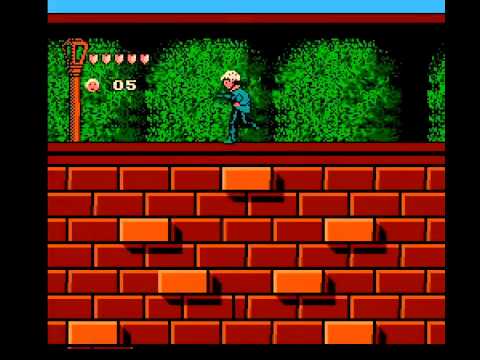
Home Alone 2 NES Source Code The Source Code for “Home Alone 2” was kindly released by Frank Cifaldi from GameHistoryorg (@frankcifald).
Games on the same engine The same Game Engine seems to have been used in at least 5...
...
PlayStation Underground List of known issues (CD-ROMs): PlayStation Underground Volume 1.1 - Making of the Twisted Metal 2 Commercial - Making of NFL Game Day 97 PlayStation Underground Volume 1.2 PlayStation Underground Volume 1.3 PlayStation Underground Volume 1.4 - Making... ...
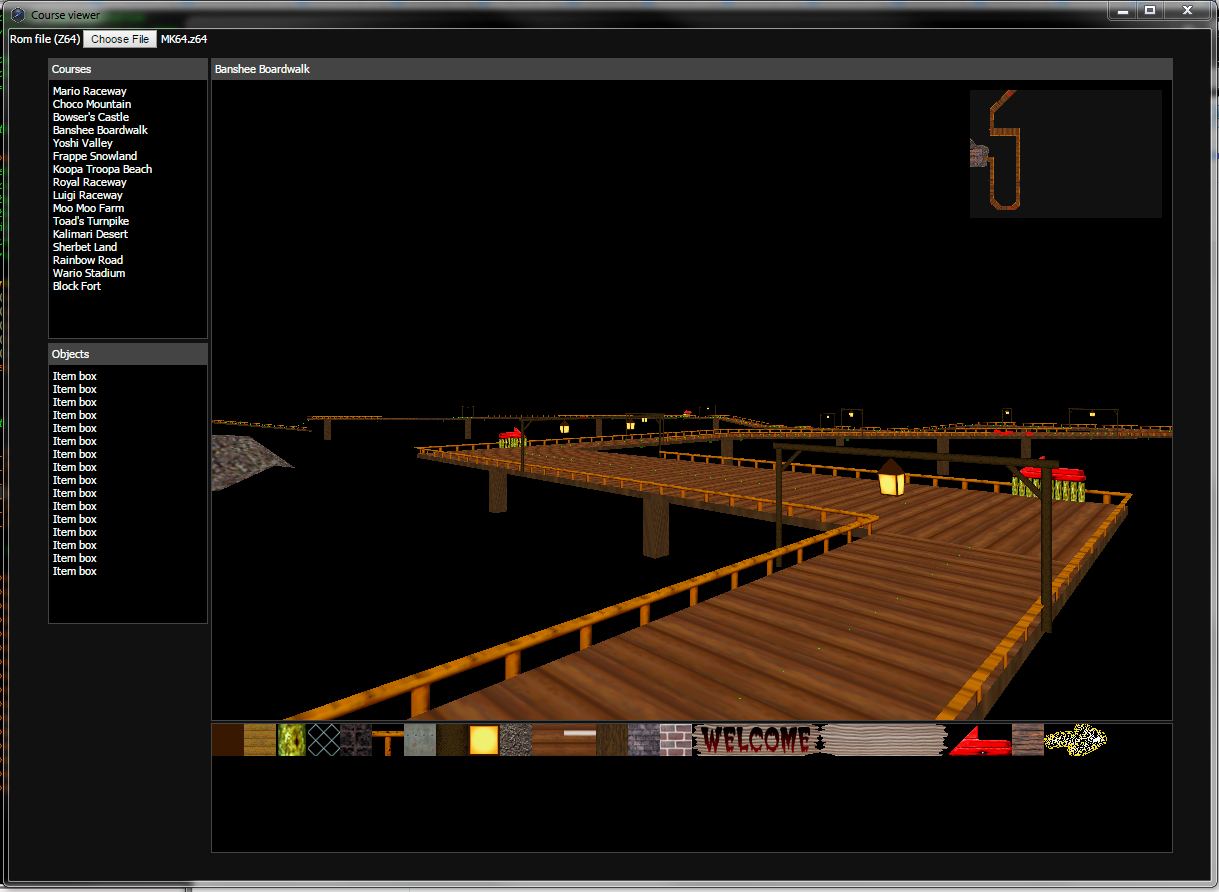
Introduction to Mario Kart 64 The Game was made by Nintendo EAD and was released in Europe on June 24th, 1997.
The development team consisted of 8 programmers under the lead of Masato Kimura, 7 artists under the direction of...
...
Introduction This page documents the official release of the assembly source for Ocean Software’s Mr Do!
port to the Game Boy.
It focuses on what the code is doing (maps, chewing, actors, rendering timing, and data formats), plus how to...
...
This page is dedicated to listing Playstation 2 Demo Discs that contain developer debug symbols, either embedded inside the executable or as separate .map or .sym files.
It was much more common for PS2 debug symbols to be leaked on...
...

Saints Row Undercover Also known as Saint Row - The Fall earlier in development, this is one of the rare few prototype games released by the developers themselves, in this case Savage games and Volition, they are a rare example... ...
The Sony Playstation portable used encrypted executables known as EBOOT.BIN, these are basically just an encrypted ELF file and it is possible to decrypt them with the correct tools.
Some games also ship with unencrypted executables in BOOT.BIN Finding Debug...
...
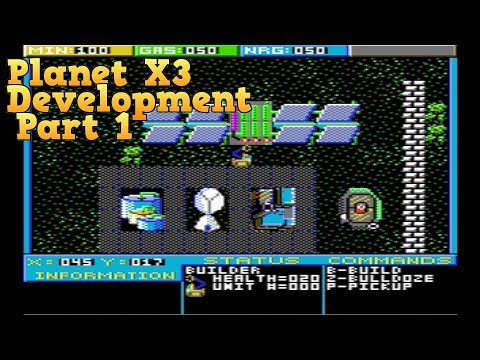
Introduction PlanetX3 is a brand new game developed by YouTube 8-bit guy for MS-DOS and released in early 2019.
The game was developed using crowd funding through Kickstarter 1.
The Kickstarter for the project is available here: Planet X3 for...
...
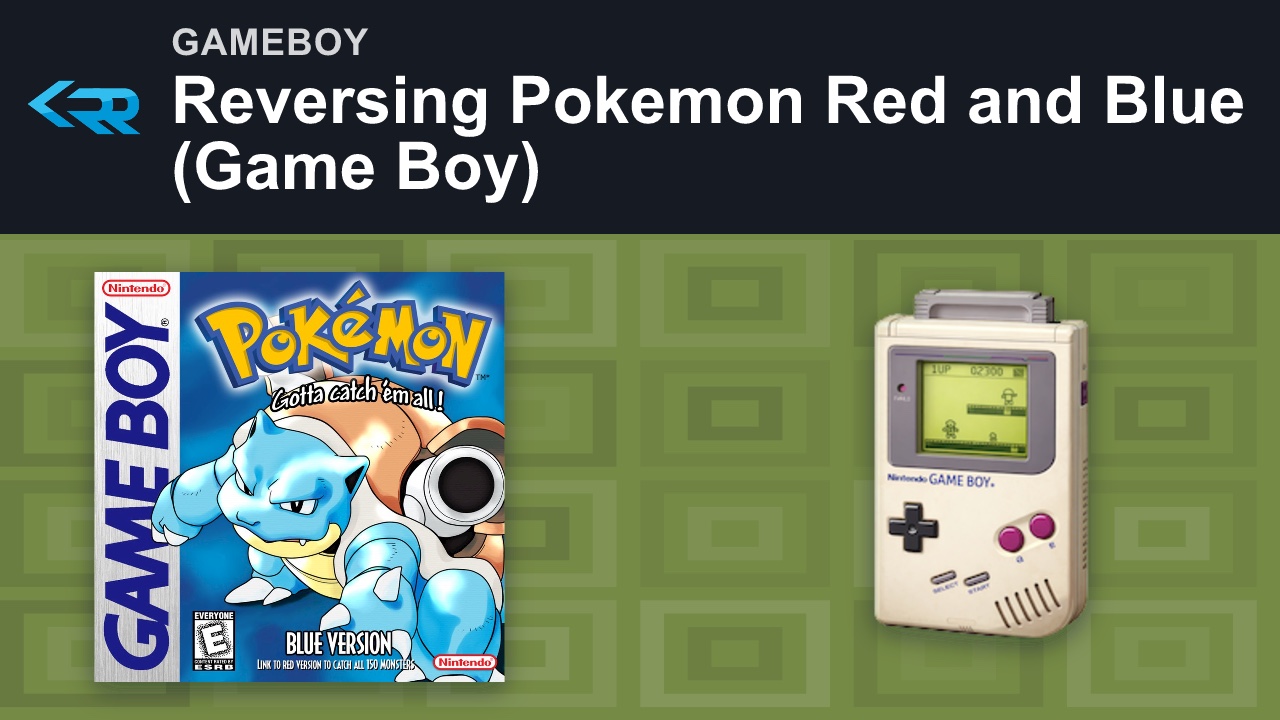
Introduction The Pokemon Reverse Engineering Team (PRET) have managed to pull off a marvellous achievement, they have fully reverse engineered Pokemon Red and Blue back into Z80 assembly code 1.
The source code they have developed can be assembled back...
...
Debug symbols are normally a rare treasure sought by reverse engineers from prototypes and beta versions of games, however in the early years of the PS2 it was common for debug symbols to be left in the retail version of... ...
Find out about leaked real retail game source code in this post ...
Introduction This page will give a brief overview of how Super Mario Bros for the Nintendo Entertainment System (NES) works.
This page wouldn’t have been possible without the excellent work by doppelganger on their Comprehensive Super Mario Bros.
Disassembly.
Cartridge...
...
Introduction to Super Mario 64 Reversing & Modding The Game was made by Nintendo EAD and was released in Europe on March 1st, 1997.
The development team consisted of 2 system programmers and 3 main programmers with additions from Giles...
...
 (Rev B) 1.png)
Introduction to Turok 64 Game was made by Iguana Entertainment under Acclaim and released on March 4th 1997.
The development team consisted of 9 programmers under the lead of Rob Cohen, 22 artists under the direction of Creative Director Nigel...
...
Retail Wii Games with Debug Symbols The following table has all the known Wii games that have debug symbols in them, if you find any more please let us know!
They are mostly ELF files with debug symbols left behind...
...
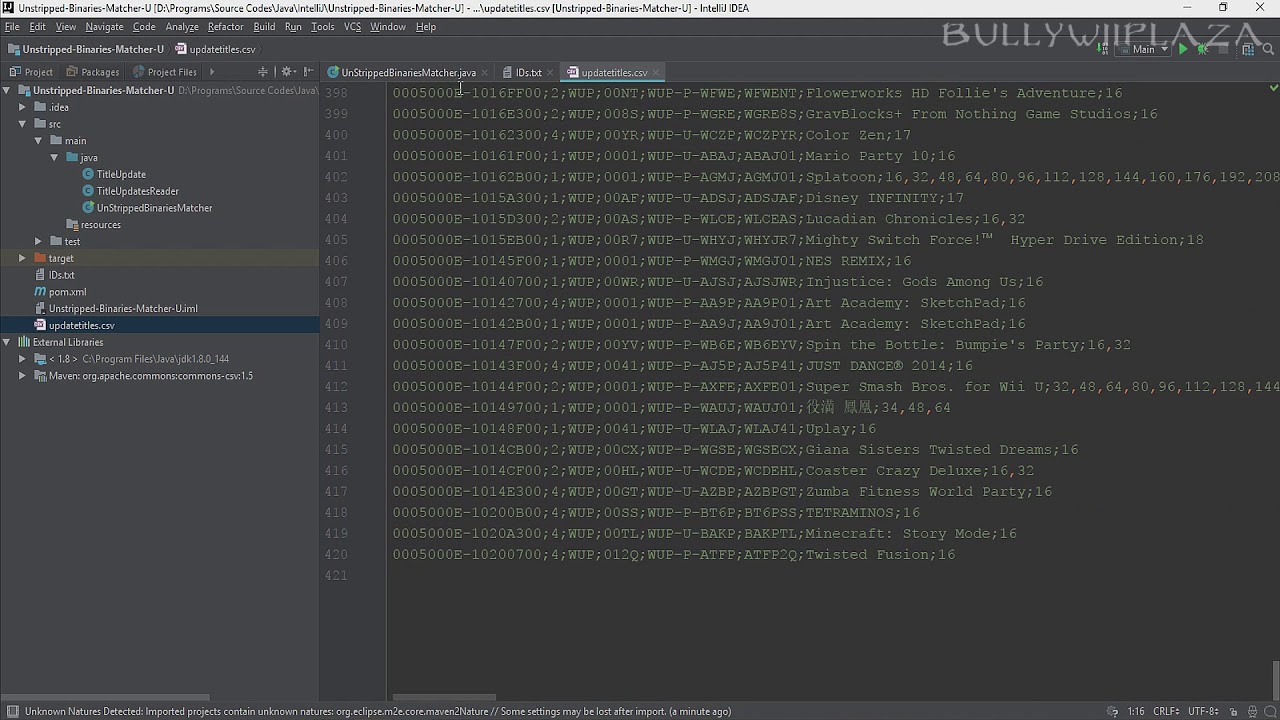
Wii U games with debug symbols A list of all the WiiU games that are known to have debug symbols are listed in the table below, eventually we want to have the count of the number of debug symbols as... ...
Debug symbols left in games make reverse engineering almost a piece of cake, giving useful names to each of the functions in an executable and sometimes even full local variable naming and source code references.
However most developers are very...
...