
Introduction to Development Kits (Hardware)

A development kit lets a game run on hardware close to its target console while a programmer works from a separate computer. That mattered especially when a contemporary PC could not reliably emulate a new machine. The kit might be a modified console, a board on a desk, or a tower connected to a host workstation. It might load a build into memory, expose a debugger, emulate a cartridge or disc, or provide a way to test a nearly finished release.
The hardware below shows how different those arrangements could be. Some kits arrived while the retail design was still changing; others were built for testers or artists as well as programmers. Console makers, specialist suppliers, and individual studios all contributed equipment, so a single platform can have several quite different development setups.
What did the kit add to the development loop?
Sony’s 1997 Net Yaroze Start Up Guide describes a compact example: compile C on a PC, connect it to the PlayStation by serial cable, then use SIOCONS to download and run the executable. The boot disc and access card prepare the console to receive it 1.
Nintendo’s Introduction to the Nintendo 64 describes Partner-N64 units for debugging on either PCs or SGI workstations; the network model links an Indy or O2 to a modified N64 and debugger body 2. Sega’s Dreamcast getting-started guide shows another arrangement: a Set 5 dev station with a debug adapter and GD-ROM emulator. GD Workshop could lay out a disc image on the development system’s hard drive before a GD-R was burned 3. These manuals help explain why a surviving “dev kit” may be more than the console-shaped box in a photograph.
Nintendo Console Development Kit Hardware
Intelligent Systems built several of the Nintendo kits collected here, but the links also lead to other suppliers and in-house equipment. The NES hardware guide, for example, records more than one studio-specific setup. Look for the host connection and the way a build was loaded, not just the maker stamped on the case.
Nintendo Entertainment System (NES/Famicom)
The Famicom and NES page compares official equipment with several systems assembled or adapted inside studios.
Super Nintendo Entertainment System (SNES)
The SNES trail runs from Intelligent Systems hardware to Ricoh’s SF Box and the EPROM cartridges used for tests.
Nintendo 64 (Ultra64)
N64 development could involve an SGI workstation or a PC, a debugger, and hardware connected to the console 2.
3rd Party Nintendo 64 Development Kits
Bung’s Doctor V64 could load software for testing, though it was also widely used to back up cartridges. Its place in this list shows how development and consumer backup hardware can overlap.
The N64 hardware guide’s Doctor V64 section covers its disc drive, PC connection, and cartridge backup role.
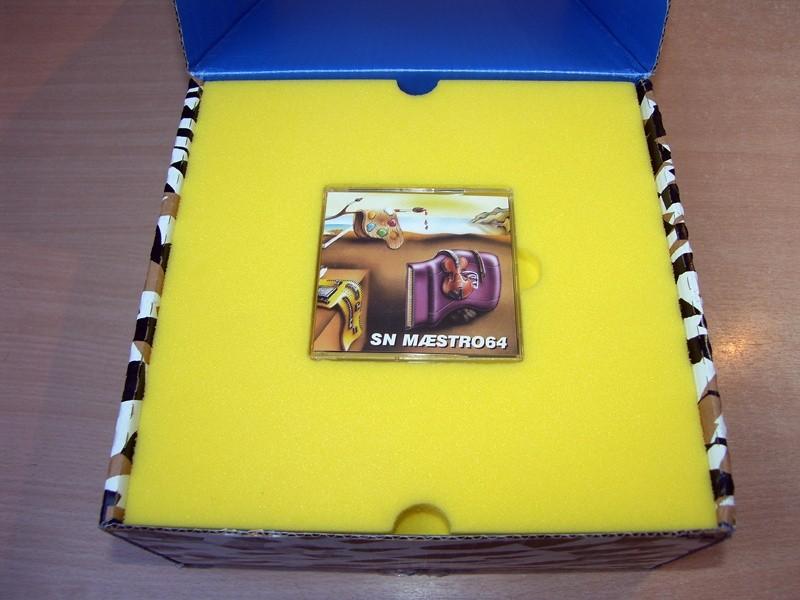
SN Systems’ Maestro64 gave musicians a way to test sound on N64 hardware. It belongs beside the general-purpose kits because audio work had its own hardware needs.
Nintendo GameCube (Dolphin)
GameCube development did not revolve around one box: the linked page distinguishes NPDP-GDEV for development, GBOX for testing, and writers for prototype media.
Nintendo Wii
The Wii hardware page follows the transition from prototype setups to later development units.
Nintendo Handheld Development Kit Hardware
These pages show that handheld development also needed dedicated capture, sound, and cartridge-writing hardware, not just a modified portable console.
Nintendo Game Boy (DMG & GBC)
Game Boy work could use an ICE debugger, character-editing hardware, or a Wide Boy to show handheld output on a television.
Nintendo Game Boy Advance (GBA)
The GBA hardware collection includes early target boards, an emulator, and separate MIDI, capture, and character tools.
Nintendo DS (NDS)
The DS guide separates the IS-NITRO emulator from capture, video, sound, and cartridge-writing equipment.
Nintendo 3DS
An early CTR target board makes a striking contrast with later Partner-CTR debuggers and tethered handhelds.
SEGA Development Kit Hardware
Sega development setups changed considerably from one console to the next. The links below include specialist third-party hardware as well as Sega-branded equipment; the Saturn alone had several approaches.
SEGA Master System
Krisalis used a setup that spans Master System and Game Gear development, including a Z80 toolchain.
SEGA Game Gear
The Game Gear page ranges from a development board and modified handheld to Z80 emulation hardware.
SEGA Mega Drive
For Mega Drive work, the linked collection distinguishes 68000 and Z80 emulators, loaders, and prototype cartridges.
SEGA Saturn
The Saturn page follows the early programming box and later CartDev arrangements, including their debugging and virtual-CD workflows.
SN Systems also supplied a Saturn setup as part of its multi-platform PSY-Q toolchain. It offers a useful contrast with the official programming box.
SEGA Dreamcast
The Dreamcast dev box is arguably Sega’s most capable kit, which makes the console’s short lifespan a shame. Its GD-ROM emulator let a team test a disc layout from the development system’s hard drive before committing it to physical media 3.
Sony Development Kit Hardware
Sony’s kits range from the relatively approachable Net Yaroze to substantial professional systems. Their hardware often made testing convenient, even when programming a later machine such as the PS3 could still be painful. The PlayStation links below make the differences between those setups visible.
Sony PlayStation Portable
The PSP page distinguishes development units from testing tools and the Commander Arm setups.
Sony PlayStation 1
Professional PlayStation systems supported workflows beyond the consumer-oriented Net Yaroze package below.
Net Yaroze gave hobbyists a Sony-supported route into PlayStation development. It was more limited than the professional kits, but its PC-to-console workflow was real, and some excellent games came out of it 1.
Sony PlayStation 2
The PS2 page follows early prototypes, the DTL-T10000 development tool, disc emulation, and TEST stations.
Sony PlayStation 3
The PS3 collection begins with Cell evaluation systems and continues through reference and test tools.
Microsoft Development Kit Hardware
Microsoft entered this list with Xbox, bringing a familiar PC development environment to its console work. The Xbox and Xbox 360 posts show several kinds of development, test, and stress hardware, each made for a different part of the production cycle.
Microsoft Xbox
The Xbox page includes debug kit variants and how prototype builds could be recovered from them.
Microsoft Xbox 360
The Xbox 360 page traces alpha and beta XeDK units, later retail-shaped kits, and dedicated test and stress hardware.
All Posts tagged with Development Kit
The full devkit-tagged index continues beyond the console families highlighted above.

Official Development kits Nintendo’s official 3DS development hardware was created in collaboration with Intelligent Systems (IS) and Kyoto Microcomputer Co..
CTR-TEG2 - CTR Target Board - Prototype Hardware The earliest known 3DS dev kit was a bare-bones prototype board used...
...
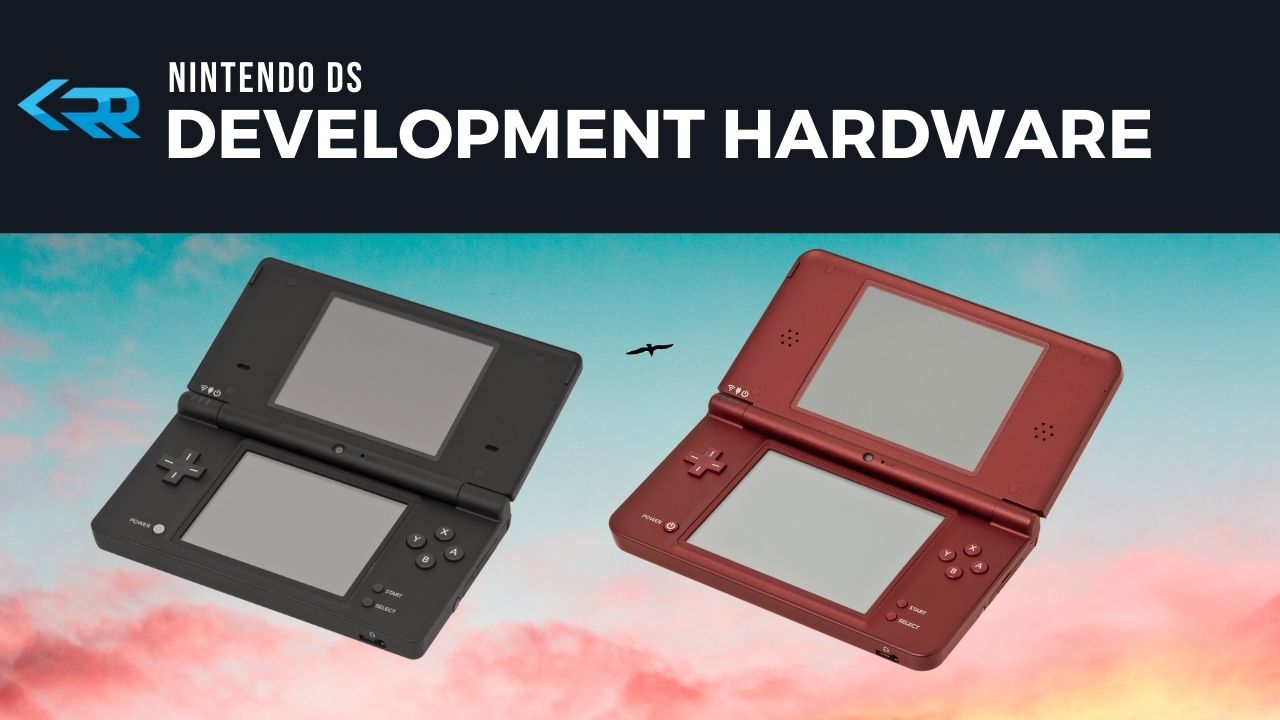
Official Development kits This section will cover the official development kit hardware sold by Nintendo and developed by Intelligent Systems.
The Nintendo DS was initially codenamed IRIS during development and this later changed to NITRO which is why most of...
...
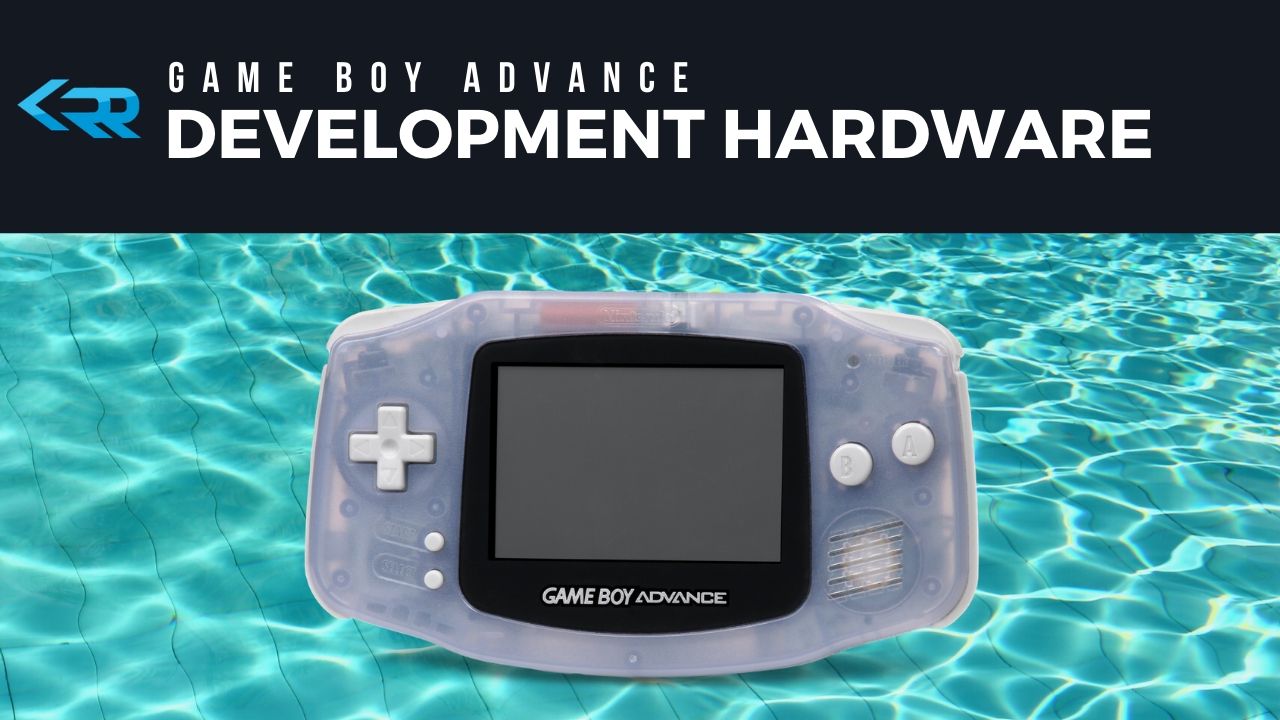
Official Development Kit Hardware The Game Boy Advance official development kits were incredibly similar to the original Game Boy and Game Boy Color devkits.
In fact they reused the same dev kits and added support for the GBA.
Early Prototype...
...
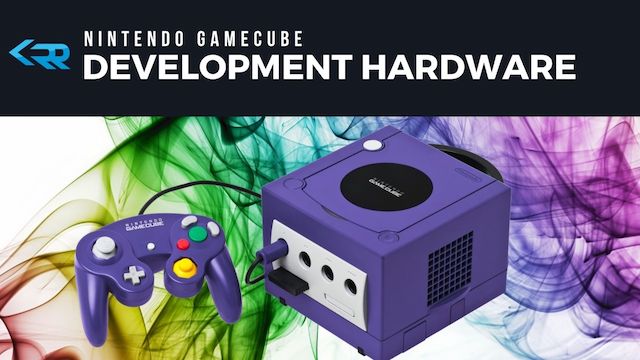
AMC Dolphin Development Hardware (DDH) The earliest Gamecube development hardware available to game developers was known as the Dolphin Development Hardware or simply DDH for short.
This system was sold before the other development kits were finalised, allowing game developers...
...

Official Sega Development Hardware The SEGA Game Gear was released in a time where official development kits were fairly rare and many third parties instead made their own using their existing Z80 knowledge and hardware.
However a few official development...
...
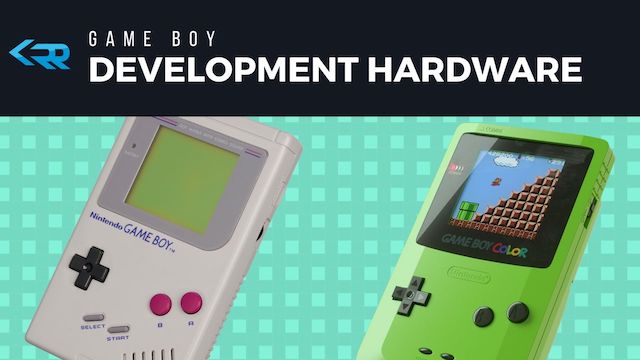
This post covers all the hardware developers used to create games for the original Dot Matrix Game Boy (DMG) and Game Boy Color (GBC) and some were even used for early Game Boy Advance development.
Developers used both official Nintendo...
...
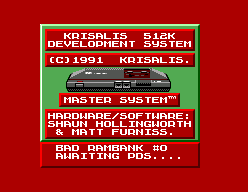
Krisalis Development Kit In the early to mid 1990s Krisalis Software Ltd created their own in-house sega Game Gear and Master System Development Kit.
Shaun Hollingworth and Matt Furniss are credited with creation of the kits hardware and software components....
...
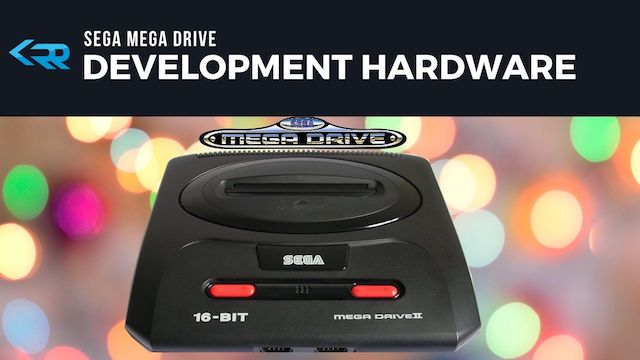
The SEGA Mega drive was released on October 29th 1988 in Japan following with North America almost a year later and Europe another whole year later than that!
During its lifespan it became incredibly popular especially in Brazil and European...
...
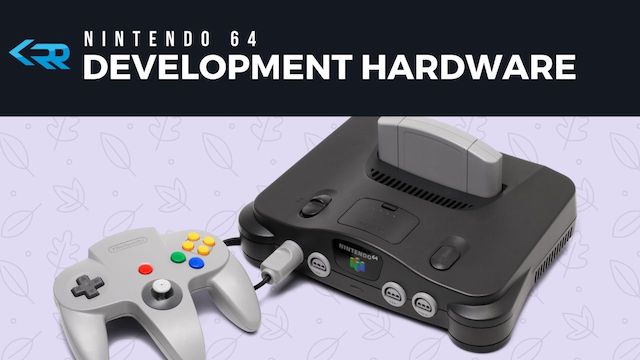
The website N64Squid has a page dedicated to Nintendo 64 development hardware that is well worth a look: Nintendo 64 development hardware - N64 Squid.
This page aims to compliment that page and give additional details about the hardware, so...
...
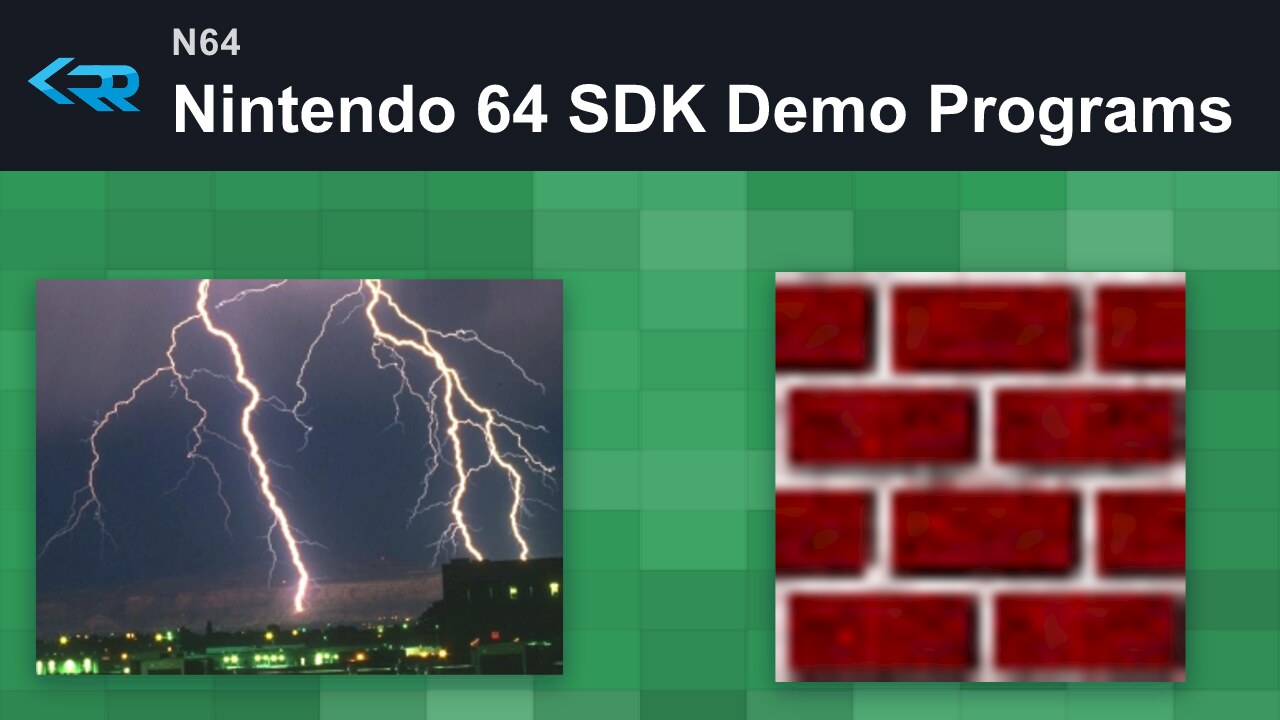
The Nintendo 64 operating-system SDK shipped small source projects that taught developers how to draw a first frame, schedule audio and graphics, use controllers and storage, and measure the hardware.
The examples changed across releases: new peripherals gained samples, some...
...
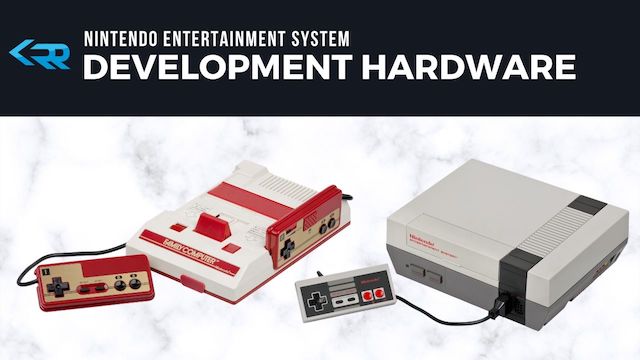
Introduction The Nintendo Famicom was released in Japan on 15th July, 1983 at a price of 14,800 yen.
Development for the machine was strictly controlled by Nintendo as they didn’t want a repeat of the US “Video Game Crash” which they...
...

Introduction to the Net Yaroze The Net Yaroze was a consumer development kit for the PlayStation 1, it consisted of a customised retail console with the ability to connect to a developer PC.
It cost about £550 in the UK...
...
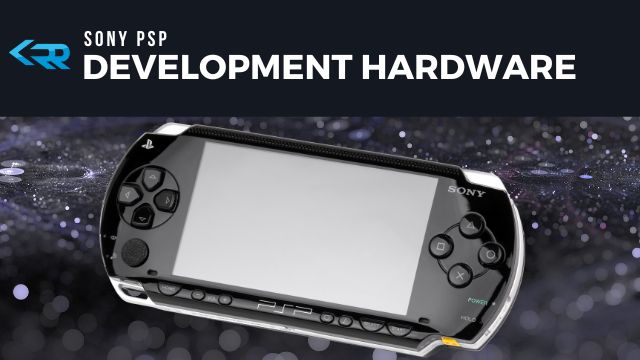
Official PSP Development Kit hardware The hardware supports booting games from both the UMD and DVD drive, the DVD drive can even boot games from standard DVD-R/RW and so many prototype PSP games are actually written on standard rewritable DVDs.... ...
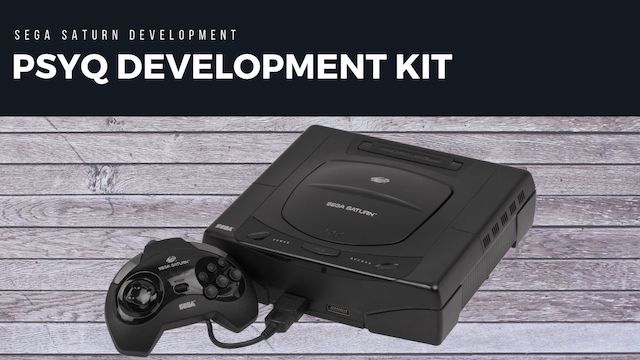
Introduction to PSY-Q Saturn The PsyQ Sega Saturn development kit was developed by a partnership of Psygnosis and SN Systems in order to make it really easy to develop for both the Sega Saturn and PS1 using the same sort... ...
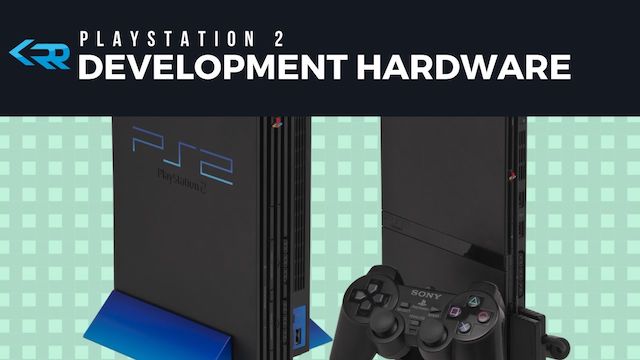
This post covers the hardware used to develop Playstation 2 games by major studios back in the day, for the software side see the post on the Official PS2 SDK.
PS2 Official Software Development Kit (SDK) For the software side...
...
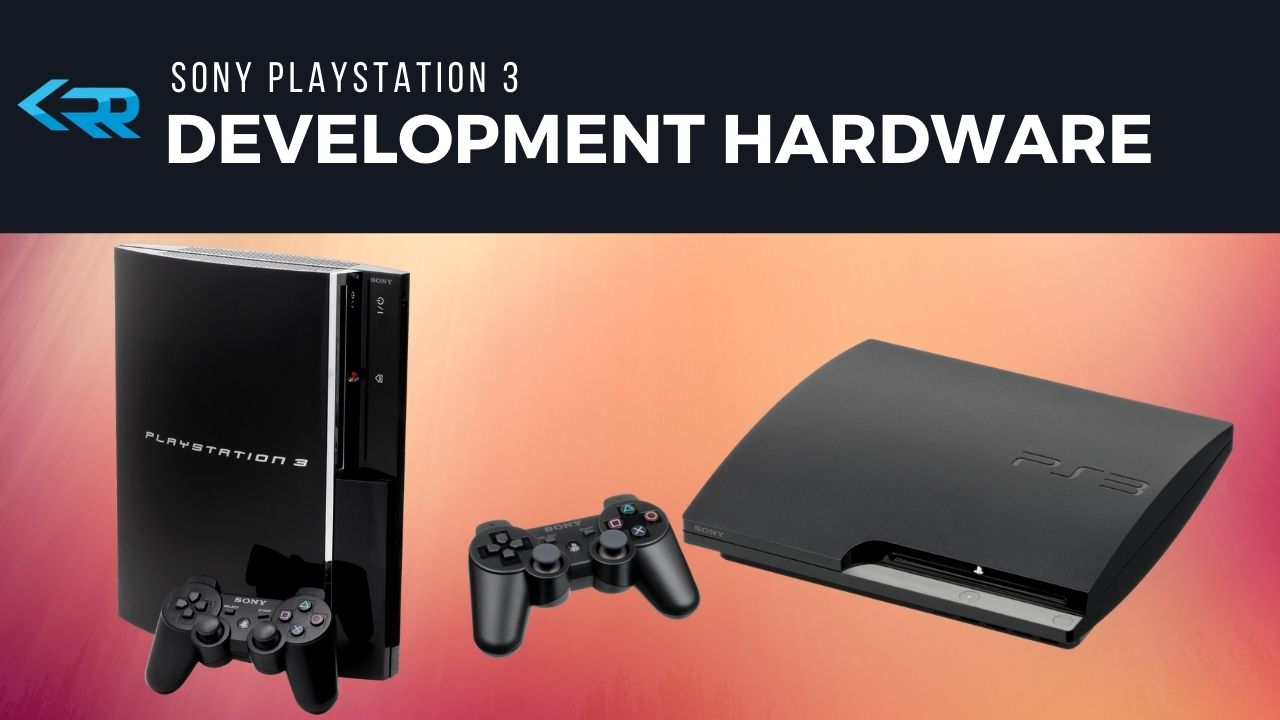
This post covers the hardware used to develop Playstation 3 games by major studios back in the day, for the software side see the post on the Official PS3 SDK.
Unlike previous generations, Sony was the only provider of PS3...
...

This post covers the hardware used to develop PlayStation 4 games by major studios back in the day, for the software side see the post on the Official PS4 SDK.
Pricing Information The PS4 development kits were split into “Testing...
...
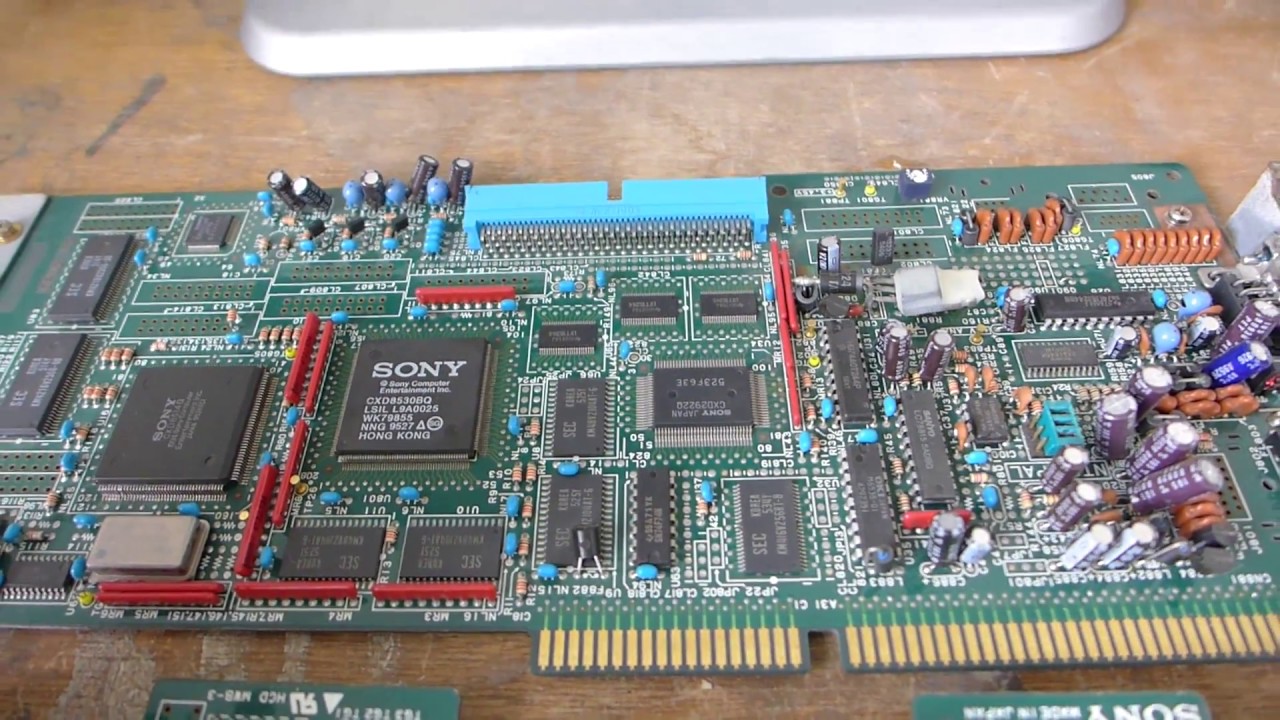
This post covers the hardware used to develop PlayStation One games by major studios back in the day, for the software side see the post on the PsyQ Software Development Kit.
Official PlayStation 1 Software Development Kit (PSYQ) For the...
...
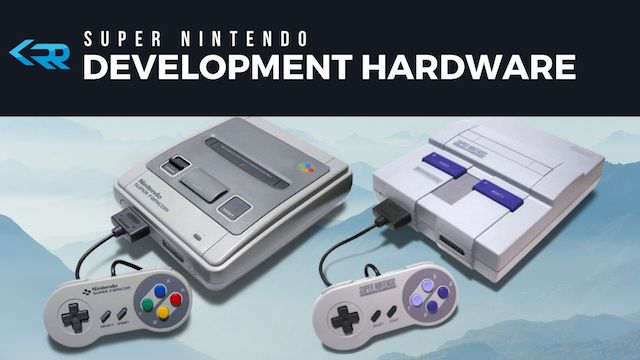
Official Nintendo Development kits Unusually there are actually multiple development kits that could be seen as “official”, one by Nintendo’s Intelligent Systems company and the other by Ricoh who was the creator of the SNES CPU.
Nintendo also seems to...
...
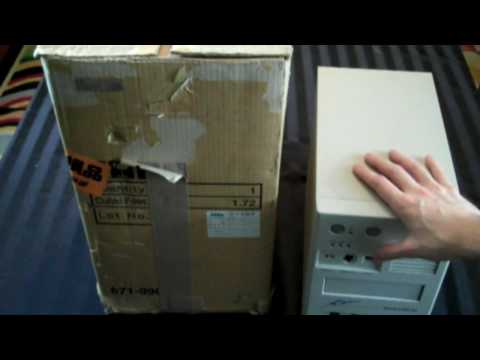
Official Sega Development hardware In Sega’s internal model numbering system for the Dreamcast, the prefix “HKT” is consistently used across various hardware components and peripherals.
While the exact meaning of “HKT” has not been officially disclosed by Sega, it’s widely...
...
Inside Sega Developer Technical Support, from Saturn SDK patches and expensive development hardware to DevelopMental newsletters, developer conferences, and a password-protected 1990s website. ...
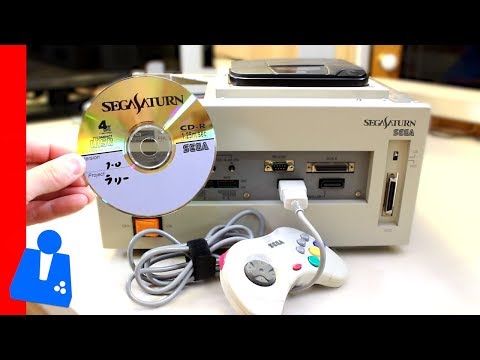
During the Sega Saturn’s lifecycle there were multiple development kits available to developers starting from the original Sophia Systems that came out before the retail hardware, followed by devkits from both Cross Products (Official) and the Unofficial SN Systems (PSYQ).... ...
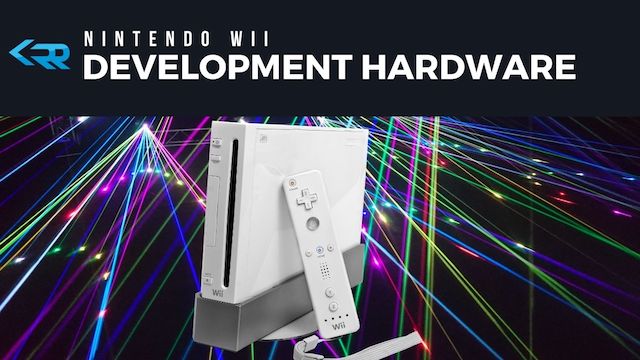
Wii Prototype Development Kit The first development kit available for the Wii was actually just a Gamecube with motion controllers!
In fact it was the green gamecube development unit called the NR Reader.
This allowed developers to write games to...
...
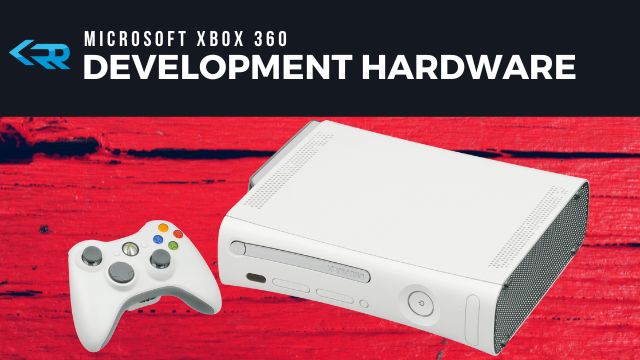
Introduction This page aims to collect all the information that is known about the Xbox 260 development hardware, if you know of anything missing please let us know!
By development kit hardware we mean any non-retail Xbox 360 hardware that...
...
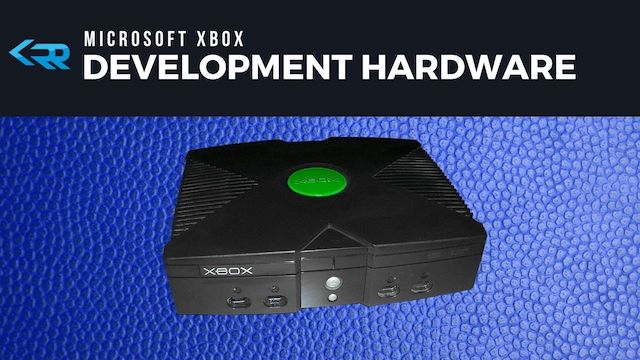
Alpha Development Hardware During the development of the Xbox console, the games aiming to be launch titles required a system to develop for.
The first development kit that Microsoft sent out to the early developers was the Alpha I.
It...
...