
Sega Game Gear Development Hardware
Edit on Github | Updated: 14th November 2020Official Sega Development Hardware
The SEGA Game Gear was released in a time where official development kits were fairly rare and many third parties instead made their own using their existing Z80 knowledge and hardware. However a few official development kits have been found!
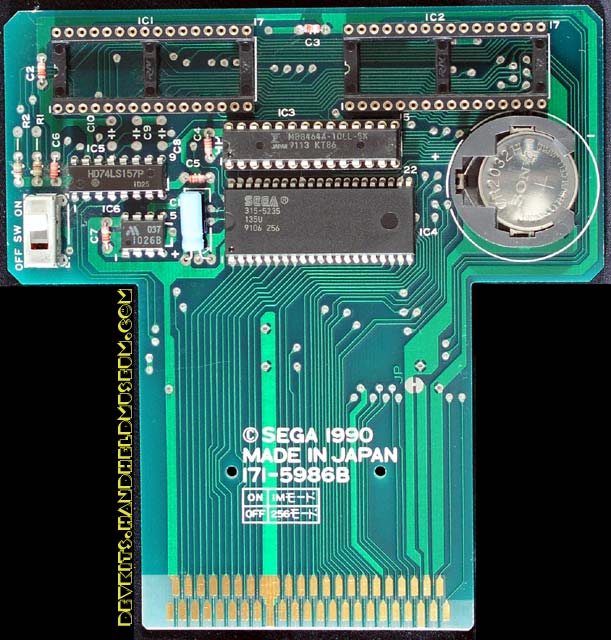
Sega Game Gear Development Board
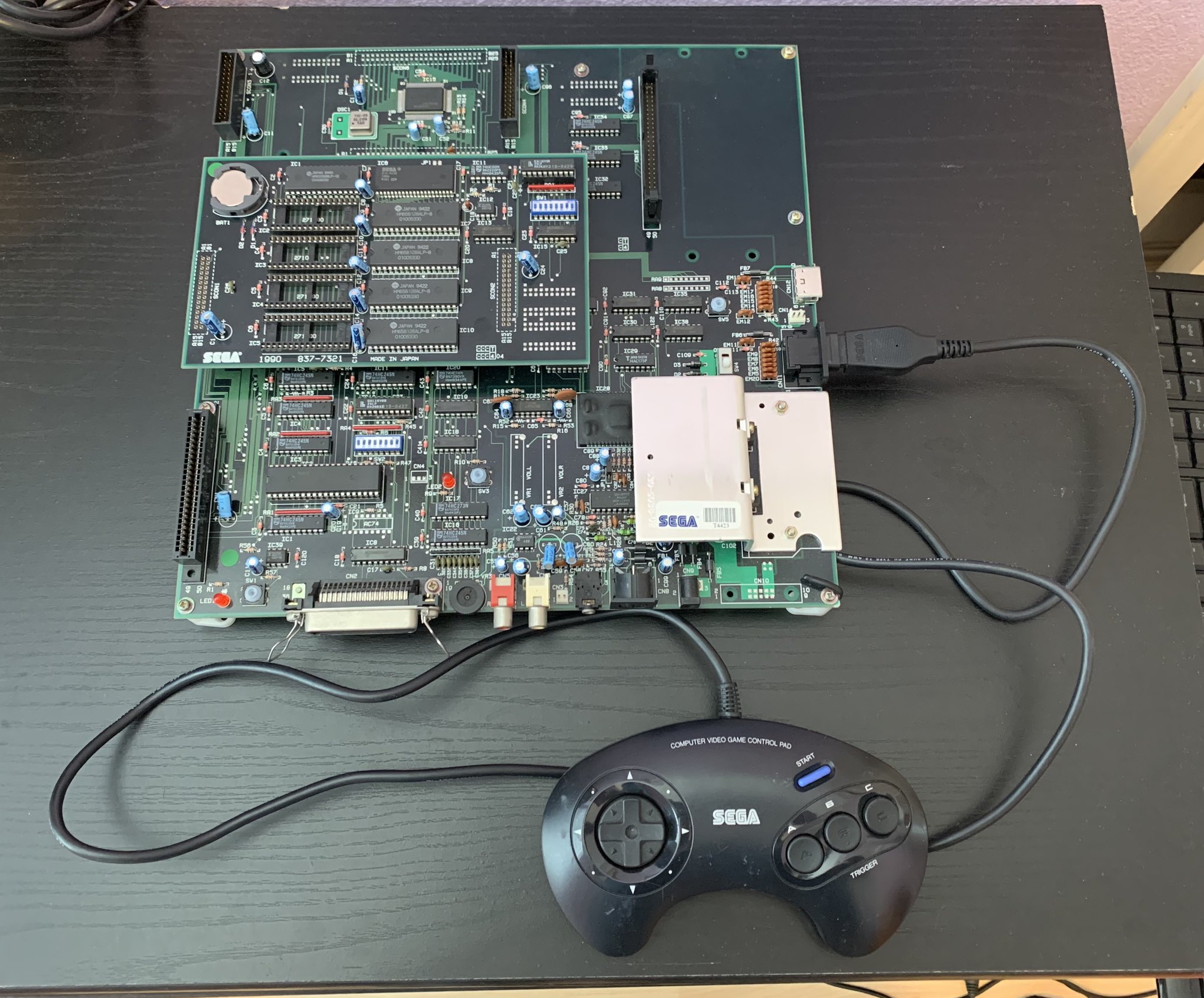
The Game Gear development board was most likely distributed to SEGA first party developers, and some select third party developers such as Paul Hutchinson 1.
It is incredibly rare and this is the only one that we know that exists.
The image on the left is from the excellent Andrew Earley (@AndrewEarley7).
Find of the week! Sega Game Gear Development Board!! There's a lot of mystery with this board because there's little to no info if it online and the cartridge port is for Master System carts. I'll be mailing this to @GerryRobotics to replace capacitors and get the unit working! pic.twitter.com/SsV8OXdCs6
— Andrew (@AndrewEarley7) May 28, 2020
In a Game SoundTracks interview with Paul Hutchinson, he references a Game Gear Development board which I believe is the same as the image above 1:
The Game Gear had a special development board, into which the ZAX-ICE plugged, it looked nothing like an actual Game Gear.
He got it directly from Sega of America after leaving Innerprise while working on the Sega Master System version of Spider-Man vs. The Kingpin 1.
Sega Game Gear with built-in Parallel Port
Although no photo of this kit exists it is mentioned in the source code to the Game Gear Game Barbie Super Model. In the INSTRUCT.DOC file describing the Game Gear Character editor it states:
At the DOS PROMPT, type “GG nt”, where ‘n’ is the number of the parallel port connected to the download cable of your GameGear. (e.g. “GG 2” specifies parallel port 2 as the download port.) And ‘t’ is 0 if you are using a link cable and GameGear with a ROM card, or 1 if you are using the development GameGear with built in parallel port.
This also mentions another Game Gear development method which is a ROM cartridge and sending data with “a link cable”.
Note that it is possible the development Game Gear they are talking about is just the Sega Game Gear Development Board but it is hard to tell.
ZAX ICE Z80
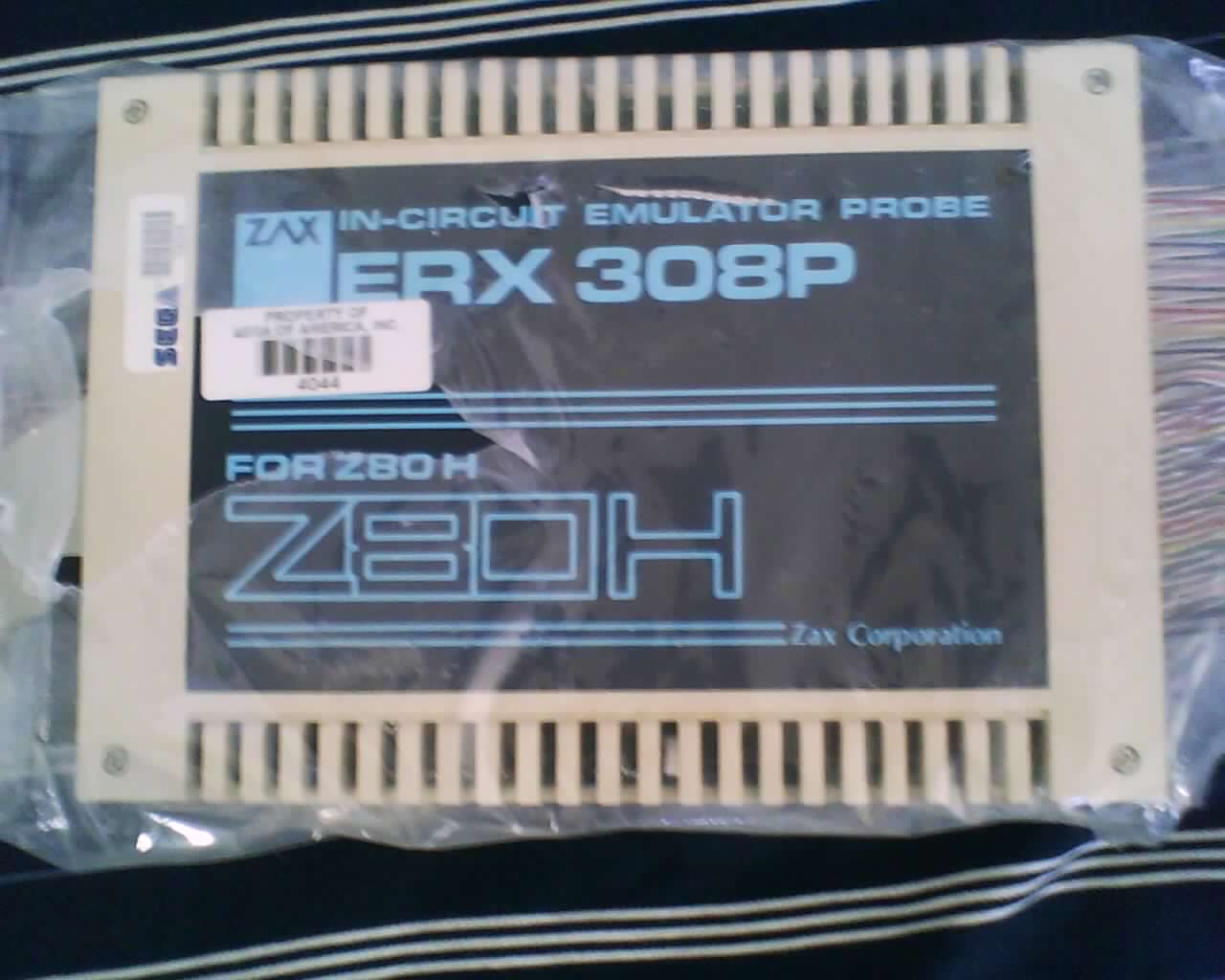
Although the original eBay link was never archived, there was a ZAX-ICE on sale that was used for Game Gear development 2.
Sega also distributed these for Sega Mega Drive development due to the sound chip being a Z80 processor.
In fact in an interview with Paul Hutchinson he states that Sega of America sent him two ZAX- ICE units worth $50,000 each, one for the Game Gear and another for Sega Master System 1.
Wide Gear
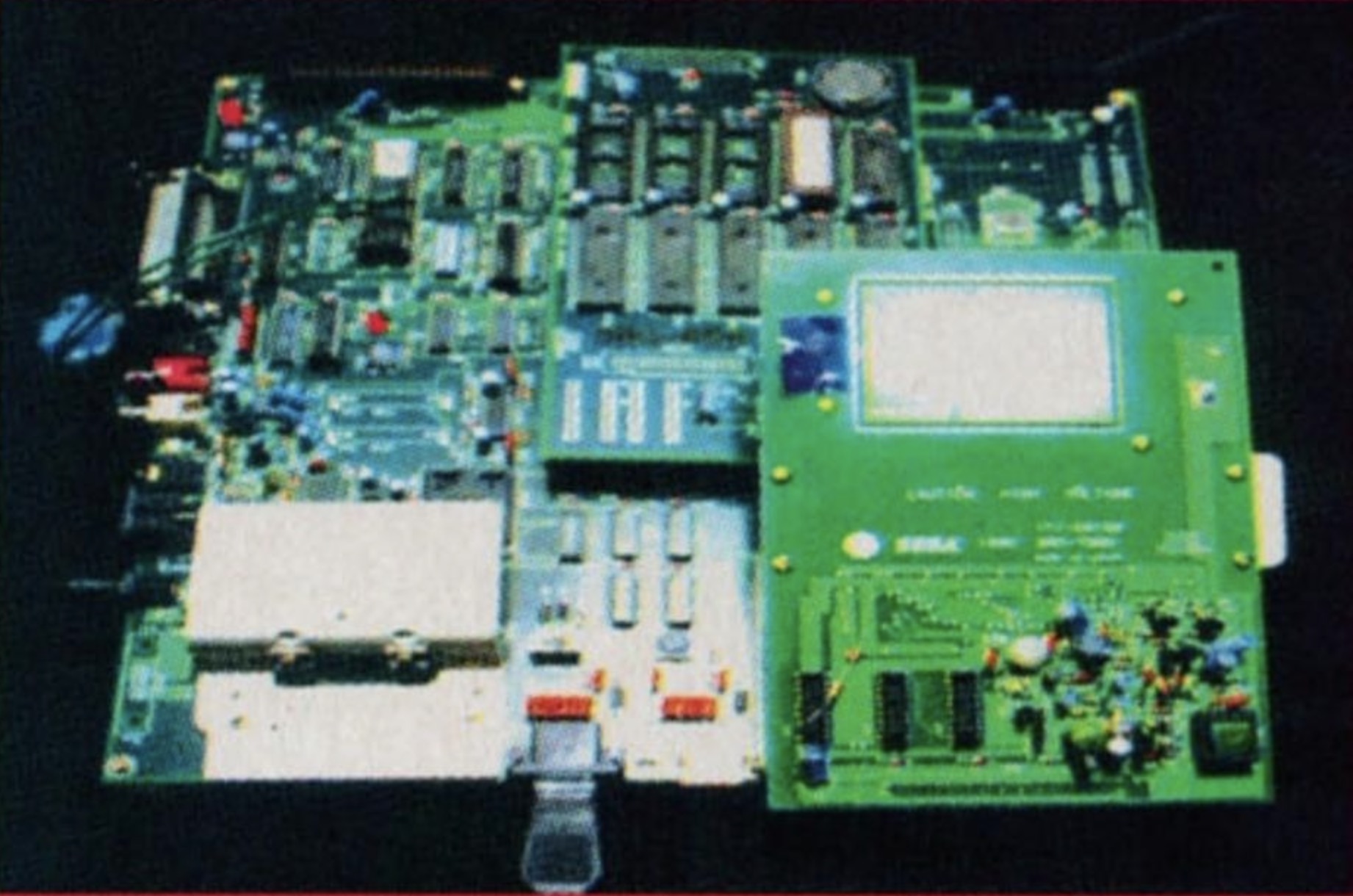
Similar to the Nintendo Wide Boy, this was custom Game Gear hardware that could output to a standard television.
This was distributed to magazines and other media producers so that they could get good screenshot from the hardware.
This would also have been used to create screenshots for Box Art and Manuals provided with the game. It may also have been used by developers and QA to make it easier to test the game on original hardware.
The hardware was featured in the American magazine Electronic Gaming Monthly (EGM) issue 27 3.
Sega Game Gear 1 MB EPROM cartridge
Some pretty sweet Sega GameGear development EEPROM carts shown in this article...Nice! 😎👌 https://t.co/mWmhQWM098 pic.twitter.com/Nw2vKvvHP6
— BehindTheCode (@GerryRobotics) May 1, 2020
Third Party Development Hardware
As official SEGA development kits were pretty expensive for the average game development studio, many third parties created their own custom Game Gear development kits.
Krisalis Development Kit
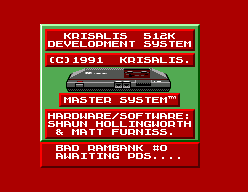
We have an entire page covering the Krisalis Development Kit which was used for both Game Gear development along with Sega Master System development.
Realtime / Riverrun development board for Game Gear
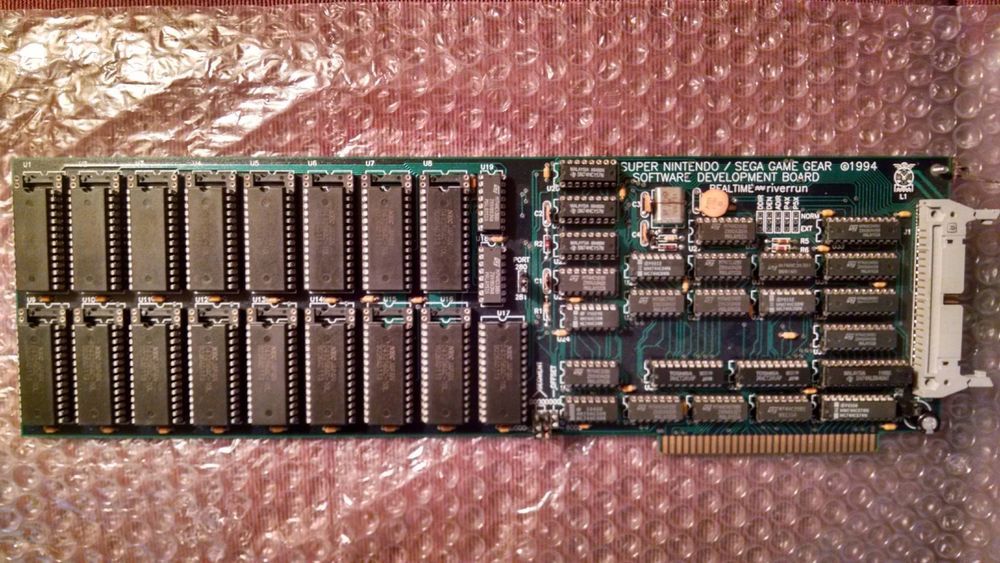
There is very little information on the internet about this development board or even who “Realtime” or “riverrun” were. If you have any more information please let us know!
There was a post about this board on SMS power and user TmEE believes it is a variant of the Romulator 5.
You can find more information about the Romulator in the SNES development section but this is unconfirmed and looks pretty different to the SNES Romulator.
References
-
Page 32 of Electronic Gaming Monthly (EGM) issue 27 ↩
-
View topic - Realtime / Riverrun development board for Game Gear & Super Ni**do - Forums - SMS Power! ↩