
Life in the Games Industry
Edit on Github | Updated: 19th May 2025Have you ever wondered what it was like to be a developer in the games industry in the 80s/90s/00s?
This page collects documentaries, interviews, magazines, conference history, and company pages that help reconstruct what day-to-day work in the games industry looked like.
It is intended as a hub page rather than a complete chronology, so the goal is to point toward the best material we know about and split deeper topics into their own dedicated posts where needed.
If you know of any other footage or information that should be added to this page please get in touch. There must be more out there.
Documentary Footage
This section collects documentaries and broadcast segments that show how studios were organized, how developers worked, and how the wider business looked at the time.
1984 - Life in Imagine & Ocean Software (The Battle for Santa’s Software)
Commercial Breaks was a 30 minute documentary series in the UK about businesses and one episode in particular from 1984 is of interest to this site, it was called “The Battle for Santa’s Software”. It followed two British software companies, Imagine software and Ocean, only one remained at the end of the show!
On the Imagine Software side Mark Butler was 23 when the documentary was filmed and it shows his extravagant lifestyle with his fast cars and sponsored motorbike teams. He had 70 people working for them in May 1984 and John Gibson was the only programmer over 30 (Known as Granddad).
The documentary starts with Imagine Software looking great and anticipating the next big game, but sadly ends with bankruptcy. This documentary is great for showing the uncertainty in the early games industry, one minute you are on top and gone the next.
Fortunately, former programmers at Imagine Software went on to establish Psygnosis, known for the Psy-Q development SDKs.
On the other side was Ocean Software and David Ward who managed to survive the time it took to film the documentary and showed off some of their upcoming games for the festive period.
You can find more information about this documentary over on VHiStory:
1993 - A Visit to id Software (November 1993)
This video captures id Software shortly before the release of DOOM, making it a useful snapshot of early 1990s PC game development culture.
1993-1995 - Working at SEGA Documentary (Careers for the 21st Century)
This rare documentary was part of Careers for the 21st Century by Takeoff Multimedia, it shows what life was like as a developer working at SEGA between 1993 and 1995.
To find out more we have a separate post all about it here:
1996 - GRAND THEFT AUTO - Making Of - GTA
From the BBC show Working Lunch the reporter Rory Cellan Jones visits the Dundee studios of DMA Design in 1996 as they are working on the Original Grand Theft Auto:
They interview people in programming (David Kivlin), music (Craig Conner), sound effects, and QA (Gordon Ross and Fiona Robertson), and there is a brief view of the motion capture department during development.
Game Industry Research Materials
When researching a video game, for reverse engineering or otherwise it can be tricky to find all the relevant sources due to most development being done behind closed doors in a time before the internet was the force it is today. So it is important to keep track of the physical media such as magazines, books and conference proceedings as they contain many information that has never been released to the internet.
Magazines
Before widespread access to the internet was common, many game developers would buy magazines to keep up with the latest in the industry and development in general. We have a post covering the most relevant magazines:
Develop - UK Magazine dedicated to the games industry
Develop was a magazine published in the UK targeted at games industry professionals. Similar to the US magazine Game Developer, it provides a unique insight into game engines, SDKs, and middleware that was never published online.
Bookazines
Due to the sheer number of magazines being published in the late 2000s, Publishers realised they could collate all the material from their monthly magazines into yearly publication. This resulted in a rather thick magazine with no advertisements about the size of a book but with the print quality of a magazine, hence the industry dubbed them bookazines.
We have an entire page dedicated to just Bookazines related to game development and the technical creative industry as a whole here:
Conferences - GDC, E3 and other games industry related conferences
One of the main ways for different game developers to speak to each other was at yearly conferences such as GDC or Siggraph:
Books - Game Development, 3D general games industry books
Books were a must have for any game developers getting started in the industry, from teaching the basics of assembler/C to more advanced topics such as 3D rendering:
Museum and Preservation Projects
This section collects interactive preservation projects that try to recreate part of the material culture around video games rather than just documenting code or binaries.
AUTO MUSEUM 64
Built in Unity Auto Museum 64 is a virtual Museum of 3D Vehicles from a variety of Nintendo 64 games.
It was built by leoburke and is available on Itch.io:
This kind of experience is very cool, but it would be even better in the browser, for example via WebGL. It is the kind of thing people may only visit occasionally, but it would be much easier to share and preserve as a simple web link.
Hopefully this will be the start of more Virtual museums that showcase 3d models or even maps from 3D video games.
Virtual Game Shop
Specialist game shops were an important part of games culture for decades, especially when boxed software, demo kiosks, strategy guides, and magazine racks all existed in the same physical space.
A careful virtual reconstruction of that environment could be a useful preservation project in its own right, especially if it documented how games were displayed, marketed, and sold across different eras and regions.
Found some more images & information on the Blockbuster Games concept; and it's companion store (in the next post), Blockbuster Music, in 'Stores of the Year 9' (1995)
— Evan Collins | BLM 🏳️🌈 (@EvanCollins90) July 4, 2020
It was located in Jacksonville, FL; designed by Fitch Inc. in 1994. pic.twitter.com/TtUyUAw9r7
Commercial Documentary Catalogues
So far we have listed documentaries that are freely available on youtube, mostly from TV broadcasts, but for a list of video game industry documentaries that you can buy check out IMDB’s list:
Interviews and Oral Histories
One of the best sources of information for how retro games were developed are direct interviews with the programmers themselves. This section lists interviews available online, but for even more interviews check out the magazines section above.
The Untold History of Japanese Game Developers DVDs
DVD produced for the Kickstarter for the book The Untold History of Japanese Game Developers back in 2013:
DVD 2:
Of particular note is in the second DVD: Enix programmer Toru Hidaka learned to program by reverse engineering the machine code of Cosmic Soldier, and went on to program games, create graphics, sound and compression utilities for Enix, write books on using machine code, and assist in teaching a new generation of programmers.
It also shows a development utility created to help designers build levels for Gandhara on the PC-88, where the numbers indicate enemy placement.
Companies
The games industry is made up of many companies, some as small as a single person and others so large they generate billions in revenue annually. There are so many that have come and gone over the years that we can’t write about them all. Instead we focus on companies that pushed the boundaries in terms of the underlying technology, companies that most gamers may never have heard of but that made considerable technical achievements. Companies that defined iconic game engines such as Krome’s Merkury, others such as SN Systems or Cross Products that created the game development tools that were used by most of the industry.
Others used their technical expertise on the unauthorized side by creating products that could run unofficial code on retail hardware, such as Datel’s Action Replay line of cheat devices.
Game Development Tooling Companies
There are a bunch of notable companies related to retro game development, many of which specialized in creating the Software Development Kits for popular consoles such as the Mega Drive (Cross Products) or PlayStation 1 (SN Systems).
Cross Products
Cross Products was a British company specialized in creating development tools for game programming, founded in 1989 by Ian Oliver and Andy Craven. It was a collaborative venture between two UK game companies, Realtime Games Software and Vektor Grafix. Cross Products created cross-platform development tools and kits especially for consoles during the late 80s and early 90s.
SN Systems
SN Systems is a company that specialised in creating development tools for game developers in the UK, it created development tools for Sega and Nintendo consoles but is most famous for their Sony PlayStation development tools like PSYQ.
Game Hacking Companies
There are a bunch of notable companies related to game hacking which not only worked on cheat devices like the Game Genie or Action Replay but also built unlicensed products that enabled homebrew on retail consoles, much to the annoyance of the console manufacturer.
Datel
Datel is most famous for their Action Replay line of products but also created homebrew enablers for the Gamecube and Nintendo DS along with tons of unlicensed games and applications for a wide range of home consoles and handhelds.
Codemasters
Codemasters is best known for its unlicensed NES work, the Game Genie, and its broader role in shaping the home computer and console market in the UK. It is also a useful case study in how a commercial game studio could overlap with hardware add-ons, cartridge publishing, and unauthorized console development.
Game Development Postmortems
Over the years game developers have posted “Postmortems” of their games, listing the good and bad parts of the development process, these were often given as talks at GDC or published in the physical Game Developer magazine.
2003 book Postmortems from Game Developer
It is a collection of 25 postmortem articles originally from Game Developer magazine. Based on the published table of contents, these are the included games and their primary original platforms. Most chapters are about Windows PC development, but I have listed the main release platforms relevant to the era if the game was ported 1.
| Game | Primary Platform(s) |
|---|---|
| System Shock 2 | PC (Windows) |
| Operation Flashpoint | PC (Windows) |
| Drakan: Order of the Flame | PC (Windows) |
| Cel Damage | Xbox (later ported to GameCube, PS2) |
| Vampire: The Masquerade - Redemption | PC (Windows) |
| Age of Empires | PC (Windows, Mac later) |
| Diablo II | PC (Windows, Mac) |
| Unreal Tournament | PC (Windows, Mac, Linux), Dreamcast, PS2 |
| Command & Conquer: Tiberian Sun | PC (Windows) |
| Age of Empires II: The Age of Kings | PC (Windows, Mac later) |
| Myst III: Exile | PC, Mac |
| Tropico | PC |
| Black & White | PC (Windows, Mac later) |
| Myth: The Fallen Lords | PC, Mac |
| Thief: The Dark Project | PC |
| Trespasser | PC |
| Deus Ex | PC, Mac, PS2 |
| Jak and Daxter: The Precursor Legacy | PlayStation 2 |
| Star Wars Starfighter | PS2, Xbox, PC |
| Star Trek: Voyager - Elite Force | PC, PS2, Mac |
| Rainbow Six | PC, Mac, N64, Dreamcast, PS1 |
| Soldier of Fortune | PC, Dreamcast, PS2 |
| Dark Age of Camelot | PC |
| FireTeam | PC (online multiplayer) |
| Asheron’s Call | PC |
Interviews with Game Developers (by platform)
This is a collection of known interviews with game developers who developed retail (and sometimes unlicensed) games while the console was still on the market.
Commodore 64
The table below lists the relevant entries.
| Source | Developer | Games | Description |
|---|---|---|---|
| Retro Gamer issue 5 | Protovision | Metal Dust, Tanks 3000, Pac It | The members of Protovision discuss their work developing games for the Commodore 64. The interview mentions several of their games. |
| Retro Gamer issue 95 | Shaun Hollingworth | Firelord | Shaun Hollingworth worked at Teque London and developed the Commodore 64 game Firelord. |
Nintendo Entertainment System (NES)
The table below lists the relevant entries.
| Source | Developer | Games | Description |
|---|---|---|---|
| Retro Gamer issue 11 | Color Dreams/Wisdom Tree | Bible Adventures | This interview features developers from Color Dreams/Wisdom Tree, discussing their unlicensed, religious-themed NES games. |
Nintendo 64
The table below lists the relevant entries.
| Source | Developer | Games | Description |
|---|---|---|---|
| Retro Gamer issue 9 | David Doak | GoldenEye 007 | Doak is known for his work on GoldenEye 007 for the Nintendo 64. |
Nintendo Wii
The table below lists the relevant entries.
| Source | Developer | Games | Description |
|---|---|---|---|
| Retro Gamer issue 45 | Yuji Naka and Takashi Izuka | NiGHTS into Dreams, Journey of Dreams | Discuss the making of NiGHTS into Dreams and its sequel, Journey of Dreams for the Wii |
Xbox consoles
The table below lists the relevant entries.
| Source | Developer | Games | Description |
|---|---|---|---|
| Retro Gamer issue 39 | Developers at Rare | Jetpac Refuelled | Discuss the making of Jetpac Refuelled for Xbox Live Arcade |
Recruitment in the games industry
This section collects smaller notes on how developers found work and how studios staffed projects in different periods.
How did game programmers find work?
Many Game Boy developers worked freelance and were contracted out by companies to work on a title with a harsh deadline of a couple of months or sometimes even just weeks! Others were hired full-time by companies and would work on a constant stream of new games.
Jas Austin was one of the developers who started off freelance on the Game Boy version of R-Type but did such a good job that he accepted a full time job a B.I.T.S 1.
He heard about the job through his agent which was a common way for game programmers to find work in the late 80s to early 90s. But by the 2000s games had grown so much that they would require whole teams of developers and hiring freelances who worked from home became rarer.
Industry Legends and Retrospectives
Remembering Archer Maclean (1962-2022)
Mamemeister presents a retrospective on the life and work of Archer Maclean, a renowned programmer known for pushing the technical limits of 8-bit and 16-bit hardware. The video discusses his most famous works, such as Dropzone and International Karate +, and shares personal anecdotes about his passion for arcade hardware and game development.
Platform Holders and Independent Developers
This section covers how console manufacturers viewed outside developers, unlicensed publishing, and later indie support.
Why Nintendo restricted third-party developers in the 1980s
When Nintendo prepared to launch the Famicom in the United States, it was entering a market still shaped by the North American video game crash. The company wanted tighter control over software quality, publishing volume, and licensing than many earlier platform holders had exercised.
Hiroshi Yamauchi, Nintendo’s president at the time, believed part of the collapse came from a flood of low-quality third-party software:
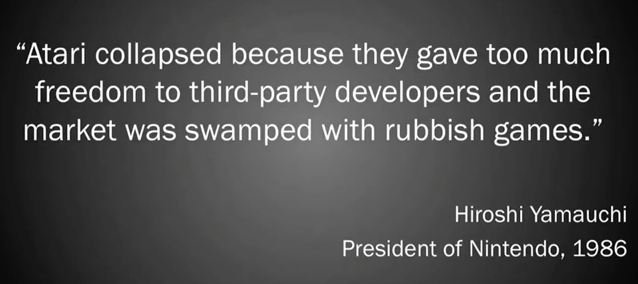
That attitude helps explain Nintendo’s stricter licensing model, manufacturing control, and technical lockout measures in the NES era.
Nintendo also deployed a range of hardware and software restrictions to limit unauthorized publishing and preserve control over the platform ecosystem.
For many years this made Nintendo comparatively cautious about homebrew and unofficial development compared with the later PC and mobile ecosystems.
Later Shift Toward Indies
That position softened much later, once downloadable storefronts and successful independent releases showed that smaller external teams could strengthen a platform rather than dilute it.
Automatically Listed Industry Pages
This final section is generated from site tags, so it works as a wider catch-all index beyond the curated sections above:
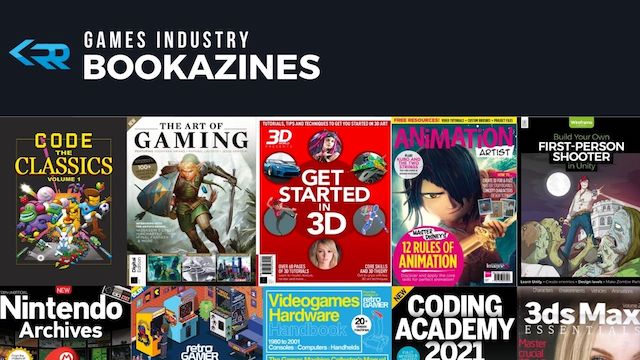
What do you call a product that collects articles from monthly magazines into a single yearly publication?
The publishers came up with the term “Bookazine” to cover this concept of a very large magazine related to a specific topic.
Many...
...
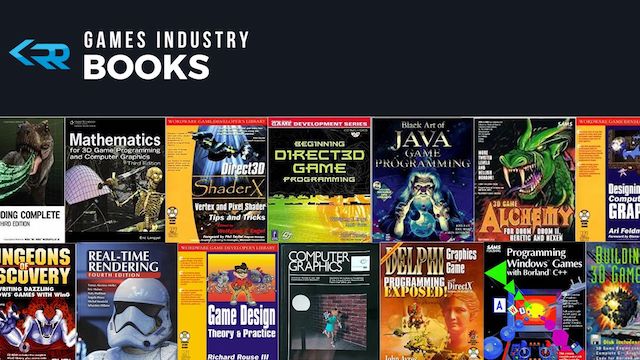
Awesome list of Historic Retro Games Industry Books and their impact on the industry ...
History of Codemasters Codemasters is a British video game developer and publisher known for its long history in the gaming industry.
It was founded by brothers Richard and David Darling in 1986.
The company initially began by developing and publishing...
...
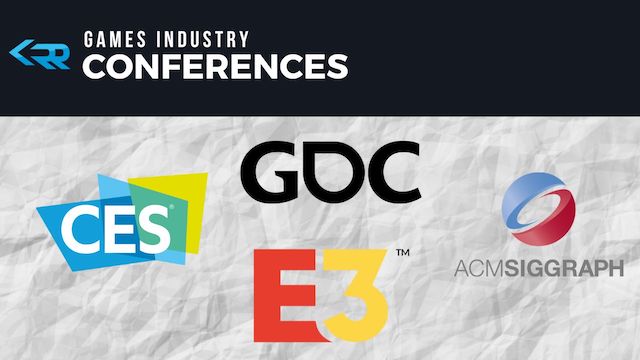
Awesome list of Historic Retro Games Industry Conferences including Audio and Video recordings ...

The practice of game cloning in arcades and consoles goes back to the industry’s origins – to take a quote from a 2001 issue of the Japanese CONTINUE magazine 1: “the entire game industry itself began with copyright infringement, ever... ...
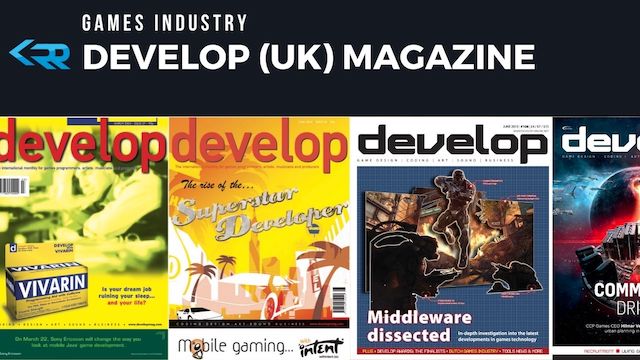
Develop Develop was a UK magazine dedicated to game developers in the industry similar to the US magazine Game Developer, it published 11 issues a year, one a month except December and January where there was one issue for both... ...
Awesome list of Historic GDC Conferences including Audio and Video recordings ...
A quick look at software used to crack early games industry titles such as SoftICE, W32Dasm and OllyDbg ...

GameMaker was a unique magazine first published by Future PLC in the UK in October 2003.
It was a game development and modding magazine targeted at the general public!
It had the tagline “The world’s only dedicated game modding magazine”...
...

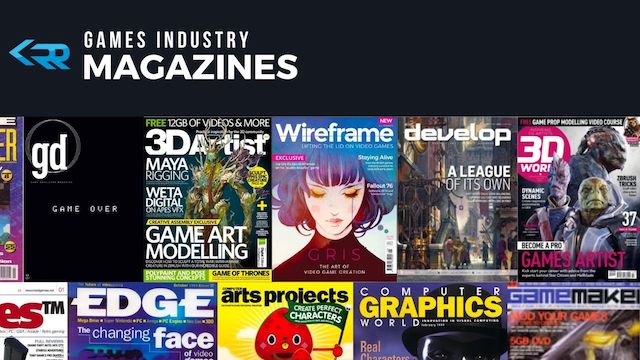
Awesome list of Historic Retro Games Development Magazines and articles ...
Retro Gamer is a British magazine devoted entirely to classic video games, first launched in January 2004 1.
Over the past 20+ years it has grown from a niche quarterly into a monthly archive of gaming history, publishing high-quality retrospectives,...
...

Working At SEGA Documentary This rare documentary was part of Careers for the 21st Century by Takeoff Multimedia, it shows what life was like as a developer working at SEGA in 1993.
This was probably created to inspire kids to...
...

History of Cross Products Cross Products is a company that specialised in development tools for game programming, located in the UK and founded in 1989 by by Ian Oliver and Andy Craven 1.
Cross Products had such a successful development...
...
SN Systems is a company that specialised in creating development tools for game developers in the UK, it was founded in 1989 by Martin Day and Andy Beveridge 1.
Martin Day has the nickname Spiny Norman which he used during...
...