

Welcome to our in-depth guide to Amiga reverse engineering! This page serves two roles. It groups all of our posts related to Amiga reverse engineering, and it aggregates high quality sources from the web into create a unified reference.
The content starts high level, outlining the system, its history, and its official game development process, then moves into low level details with a focus on reverse engineering and homebrew development.
Introduction
The Sega Mega Drive, also known as the Sega Genesis in North America, was a popular gaming console released by Sega in 1988, and has since become a beloved classic of the gaming world.
History of the Mega Drive
Sega Retro has an excellent page covering the history of the Sega Mega Drive in great detail, it is highly recommended that you read this before anything else:
How Sega bet against Reverse Engineering…and lost
Modern Vintage Gamer has an excellent video about the history of reverse engineering on the Sega Genesis. It covers the technical and legal strategies used by Electronic Arts and Accolade to bypass the console’s TMSS security chip, detailing how clean-room reverse engineering led to a landmark court ruling for software interoperability.
Are there any Mega Drive Reverse Engineered games or active projects?
Before diving in its best to check if there are any existing reversing projects for the Sega Mega Drive that you can contribute to, check out our other post specifically on this topic:
What are the games exclusive to the Sega Mega Drive?
There were many exclusive games for the Mega Drive and the various hardware add-ons that were released for it, these are ideal targets for reverse engineering and porting to other platforms:
- Sega Mega Drive - Sega Genesis-only games - Wikipedia
- Sega 32X - Sega 32X-only games - Wikipedia
- Sega CD - Sega CD-only games - Wikipedia
Hardware
If you’re interested in reverse engineering software for the Sega Mega Drive gaming console, it’s essential to have a strong understanding of the hardware that powers it. By comprehending the inner workings of the Mega Drive hardware, you can better understand how the software interacts with the hardware and how you can potentially modify or enhance it.
In this section of our guide, we will provide you with detailed information and resources on the hardware of the Sega Mega Drive, including retail, prototype, and development hardware.
Development Hardware
In order for game developers to create software for the SEGA Mega Drive, they had the choice of a number of different development hardware to purchase, or they could go it alone and create their own hardware. To find out more check out the post below.
Sega Digitizer System
The Sega Digitizer System was a development kit specifically for creating sprites and background tiles officially inside SEGA. It is unclear if they ever sold the system to third party developers. It required a NEC PC-98 for development which was the ideal choice for many game developers in japan.
It had a rudimentary touch screen with a pen allowing artists to “draw” pixels directly on the screen.
This was not exclusive to Mega Drive development, it was also used in early sega arcade games, system 1 and system 16 (1986).
You can find out more including lots of images on Video Games Densetsu: The Sega Digitizer System, a tool used by graphic…
Mega Drive Game Software Development
The Mega Drive Game development process
What programming languages were used to create games for the Sega Mega Drive?
Although almost all Mega Drive games were written in 68K assembly there is one known commercial Mega Drive game to be written in C, Sonic Spinball 1!
What computers were used to write Mega Drive games?
Popular choices for computers for writing Mega Drive games in Japan were the Sharp X68000 (it shared the same processor) and the Intel 8086 based NEC PC-9801. In the UK the Amiga was a very popular choice for writing Mega Drive games due to it being based on the same 68000 CPU.
The Sharp X68000 is known to have been used at Game Arts 2 and is a smart choice as the assembly code can be tested out on the hardware directly and only required the Mega Drive development kit for testing the graphics and sound capabilities. So game logic could be tested more efficiently.
The NEC PC-9801 is known to have been used at SEGA of Japan thanks to the Sound-Source leak 3.
Porting From AMIGA to MEGA DRIVE - with Stoo Cambridge
onaretrotip has an excellent interview with Stoo Cambridge about porting Amiga games like Megalomania and Sensible Soccer to the Sega Mega Drive. It covers the technical similarities (shared 68000 CPU) and differences (bitmap vs. tile-based graphics), as well as specific tricks used to overcome the Mega Drive’s color limitations, such as overlaying playfields to simulate 32-color intro screens.
How large were Mega Drive game development teams?
The development of the game Alien Soldier and other games by Treasure had only 4 people working on it, 2 programmers and 2 game designers which we found out in a translated interview with Masato Maegawa4:
In the early 90s, for our Megadrive developments, all our developments were done with 2 programmers and 2 designers max. Alien Soldier, in fact, started out with just one person, NAMI, who took on the role of both designer and programmer.
How long did it take to develop games for the Mega Drive back in the day?
At Treasure (e.g Alien Soldier) Masato Maegawa reveals that it takes around about 10 months but that more complicated games could last 2 years 4:
In the Megadrive days we took about 10 months for a game; now it’s about 15 months. There were some titles that took us a full 2 years, though. Although he also revealed that there was a tight development cycle for Alien Solider as the deadline was January 3rd 1995 and they were working through the New Year switch.
What did a Mega Drive Design Document look like?
Hardcore Gaming 101 has a video showing the design document created for the Mega Drive game MUSHA:
Mega Drive Software Development Kit
To find out about the Official SEGA Mega Drive Software development Kit check out our page on the topic:
Developers of the 32X add-on received a full Developer Tool Kit CD with the SNASM2 toolchain, source code, and lockout implementation, which is covered separately:
In-House Development Software
It was common in the industry to develop custom software in-house to make the game development process easier not just for the current game but also future games targetting the same hardware.
DARI and KETCHUP (Game Arts)
For the development of the Mega Drive game Alisia Dragoon, Game Arts created some in-house development software called KETCHUP and DARI:
- KETCHUP was used for editing maps and defining the pattern of enemy movements by configuring basic curves in the editor, as can be seen in the image below 2.
- DARI was used for editing animated Sprites for games targetting both Mega Drive and Sharp X68000 systems:
In the image below you can see the Main Programmer Naozumi Honma on the left and Assistant Programmer Osamu Harada on the right along with their Sharp X68000 development computers (and Mega Drive controller presumably hooked up to a development kit) 2:
Assembly Language programming
Sonic coding techniques
GameHut examines coding techniques used in Sonic the Hedgehog. The examples connect the Mega Drive’s programming model to the behaviour of a specific game.
Sonic 3D exception handling
GameHut explains why physically disturbing Sonic 3D can reveal a level-select screen. The example connects an unusual player-visible result with the game’s defensive programming.
Basics of 68K Assembly
In an interview with Computerphile the Tanglewood developer Matt Phillips explains the basics of how assembly language programming works for creating Mega Drive games:
In the video he uses Windows 95 and Notepad++ to edit the assembly files, which are then assembled using the MS-DOS command:
snasm68k /sdb test.asm, test.cof
You can see it being assembled in the screenshot:
It is then loaded into the SNASM debugger (V2.0) on a SNASM Mega CD Development Kit, which connects to the PC via an ISA card and SCSI cable.
Code Your Own Sonic Game
The Youtuber Game Hut has a series of tutorials on Sega Mega Drive programming. Part 1:
Part 2:
All Posts

The Motorola 68000 - Powering the Gaming Revolution Introduction The video game industry has witnessed remarkable technological advancements throughout its history, with one pivotal component that played a significant role in shaping the industry as we know it today: the... ...
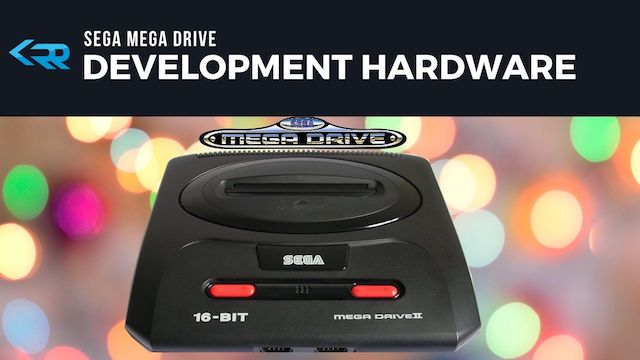
The SEGA Mega drive was released on October 29th 1988 in Japan following with North America almost a year later and Europe another whole year later than that!
During its lifespan it became incredibly popular especially in Brazil and European...
...

Sega Mega Drive (Genesis) SDK Unlike the original Master System or SG-1000 systems, SEGA provided third party developers with some tools to make Mega Drive development easier.
Files leaked There are still Sega Mega Drive SDK files that have never...
...
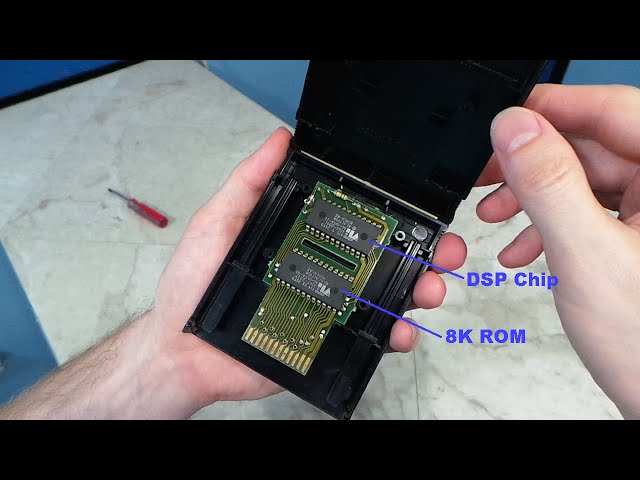
Have you ever wondered what exactly is inside those retro game Cartridges (ROMs)?
In this post we will find out the purpose of ROM cartridges and how they worked.
Advantages of Cartridges Cartridges are not the only format available to...
...
Sega 32X Software Development Kit The 32X-DDK is a copy of the Sega of America Developer Tool Kit CD for the Sega 32X, the mushroom-shaped add-on that plugged into the Mega Drive cartridge slot and added two Hitachi SH2 processors... ...

Working At SEGA Documentary This rare documentary was part of Careers for the 21st Century by Takeoff Multimedia, it shows what life was like as a developer working at SEGA in 1993.
This was probably created to inspire kids to...
...
Magazine Interviews
The magazine index collects developer interviews tagged for this system across all indexed magazines.
| Magazine | Issue | Pages | Developer | Platforms | Description |
|---|---|---|---|---|---|
| Retro Gamer | 8 | pp. 43-46 | Masato Maegawa | Sega Mega Drive | Maegawa discusses founding Treasure after working at Konami and the studio’s approach to its games. |
| Retro Gamer | 26 | pp. 24-29 | Yuji Naka | Mega Drive, Saturn, Dreamcast | Naka contributes to a Sonic Team lookback covering its games and studio history. |
| Retro Gamer | 28 | pp. 100-101 | Brandon Cobb | Sega Mega Drive | Cobb explains the translation, bug fixes, and release of Beggar Prince. |
| Retro Gamer | 30 | pp. 50-53 | Stefano Arnhold | Sega Master System, Sega Mega Drive | The Tec Toy president discusses the company’s Sega partnership, Brazilian releases, and localisation. |
| Retro Gamer | 30 | p. 103 | Derrick Sobodash | Mega Drive | Sobodash discusses fan translation tools and work on Beggar Prince and Heroine Anthem. |
| Retro Gamer | 32 | pp. 52-59 | Phantasy Star developers | Sega Master System, Sega Mega Drive, Sega Dreamcast | Several Phantasy Star developers discuss the evolution of the Phantasy Star series. |
| Retro Gamer | 33 | pp. 30-33 | Dave Perry | Sega Mega Drive | Dave Perry discusses Earthworm Jim. |
| Retro Gamer | 36 | pp. 28-33 | Roger Hector | Sega Mega Drive | Roger Hector discusses Sega Technical Institute. |
| Retro Gamer | 41 | pp. 48-51 | Will Harvey | Apple II, NES, Mega Drive | Interview about the making of The Immortal. |
| Retro Gamer | 43 | pp. 44-48 | Sean Naden | Amiga, PC, SNES, Mega Drive | Interview about the making of Rise of the Robots. |
| Retro Gamer | 44 | pp. 70-75 | Chris Sorrell | Amiga, Mega Drive, SNES | Interview about the James Pond trilogy. |
| Retro Gamer | 45 | pp. 80-84 | Mike Posehn and other Strike developers | Sega Mega Drive | Interview about the making of the Strike series. |
| Retro Gamer | 47 | pp. 42-47 | Trip Hawkins | 3DO, Mega Drive, PC | Interview about Electronic Arts in the 1990s, part two. |
| Retro Gamer | 49 | pp. 96-97 | Tulio and Daniel | Sega Mega Drive, Sega Mega CD | Question-and-answer interview about the homebrew RPG Pier Solar, previously called Tavern RPG. |
| Retro Gamer | 50 | pp. 56-61 | Masato Maegawa | Sega Mega Drive | Interview about the making of Gunstar Heroes. |
| Retro Gamer | 55 | pp. 74-79 | David Perry | ZX Spectrum, Mega Drive | Interview about the early history of Shiny Entertainment. |
| Retro Gamer | 59 | pp. 80-87 | Alan Miller and Bob Whitehead | Commodore 64, Mega Drive, PC | Interview about the history of Accolade. |
| Retro Gamer | 62 | pp. 26-33 | Trip Hawkins | Sega Mega Drive | Interview in the Mega Drive feature about Electronic Arts and the console. |
| Retro Gamer | 63 | pp. 54-57 | Rob Fulop | Sega Mega CD | Interview about the making of Night Trap. |
| Retro Gamer | 71 | pp. 54-57 | Greg Johnson | Sega Mega Drive | Interview about the making of ToeJam & Earl. |
| Retro Gamer | 74 | pp. 80-81 | Jon Burton | Sega Mega Drive | Q&A about the making of Puggsy. |
| Retro Gamer | 78 | p. 14 | Steve Lycett | Sega Mega Drive, Xbox 360 | A Moment With Q&A about his work at Sumo Digital. |
| Retro Gamer | 79 | pp. 54-61 | Andrew Graham and other Micro Machines developers | NES, Sega Mega Drive | Interviews about the making of Micro Machines. |
| Retro Gamer | 84 | pp. 86-91 | Steve Woita | Atari 2600, Sega Mega Drive | Desert Island Disks interview about his games and career. |
| Retro Gamer | 85 | pp. 36-39 | Peter Morawiec | Sega Mega Drive | Interview about the making of Sonic Spinball. |
| Retro Gamer | 85 | pp. 44-51 | Tim Chaney | PC, Sega Mega Drive | Interview in the second part of the history of Virgin Games. |
| Retro Gamer | 88 | pp. 36-39 | Dennis Koble and Lee Actor | PC, Sega Mega Drive | Interviews about the making of PGA Tour Golf. |
| Retro Gamer | 88 | pp. 44-51 | Randy Breen | Sega Mega Drive | Interview with the series producer in the history of Road Rash. |
| Retro Gamer | 89 | pp. 42-44 | Andreas Axelsson, Jim Bagley, William Harbison, Simon Butler and Alex Trowers | Arcade, SNES, Sega Mega Drive | Developer memories in the 20th anniversary feature on Street Fighter II. |
| Retro Gamer | 90 | p. 11 | Brandon Cobb | Sega Mega Drive | Q&A about Super Fighter Team and Star Odyssey. |
| Retro Gamer | 91 | pp. 26-35 | Christian Senn, Tyler Sigman and Jon Burton | Sega Mega Drive, Sega Saturn, PC | Developer interviews in the 20-year history of Sonic the Hedgehog. |
| Retro Gamer | 91 | pp. 70-77 | Masato Maegawa | Sega Mega Drive, Sega Saturn | Interview in the history of Treasure and its games. |
| Retro Gamer | 95 | pp. 72-75 | Matt Webster | Sega Mega Drive | Interview about the making of FIFA International Soccer. |
| Retro Gamer | 96 | pp. 70-73 | Steve Woita | Sega Mega Drive | Interview about the making of Kid Chameleon. |
| Retro Gamer | 96 | pp. 82-85 | Noriyoshi Ohba | Sega Mega Drive | Interview about the making of The Revenge of Shinobi. |
| Retro Gamer | 100 | pp. 46-49 | Yuji Naka | Sega Mega Drive | Interview about the making of Sonic the Hedgehog. |
| Retro Gamer | 113 | pp. 60-67 | David Darling and Andrew Graham | NES, Mega Drive | The Codemasters co-founder and series developer recall making Micro Machines games. |
| Retro Gamer | 114 | p. 12 | Doug TenNapel | Mega Drive, Super Nintendo | The Earthworm Jim creator discusses his game art and characters. |
| Retro Gamer | 114 | pp. 86-89 | Mike Berlyn | Mega Drive, Super Nintendo | Berlyn recalls creating Bubsy and its original design goals. |
| Retro Gamer | 117 | pp. 6-7 | David Yu | NES, Super Nintendo, Mega Drive | The Hyperkin developer discusses the emulation and cartridge support in the RetroN 5 console. |
| Retro Gamer | 117 | pp. 50-53 | Ron Millar and Blizzard developers | Amiga, Super Nintendo, Mega Drive | The Silicon & Synapse team recall designing The Lost Vikings. |
| Retro Gamer | 117 | pp. 90-95 | Tom Kalinske | Mega Drive | The former Sega of America president discusses competing with Nintendo during the Mega Drive years. |
| Retro Gamer | 118 | pp. 20-25 | Paul Cuisset | Amiga, Mega Drive, PC | Cuisset discusses Flashback, Fade to Black, and the planned remake. |
| Retro Gamer | 119 | p. 10 | Brandon Cobb | Mega Drive, PC | The Super Fighter Team founder discusses bringing its Mega Drive RPGs to PC and Mac. |
| Retro Gamer | 120 | pp. 28-35 | Doug TenNapel and David Perry | Mega Drive, Super Nintendo | The creators recall the design, animation, and production of Earthworm Jim. |
| Retro Gamer | 123 | pp. 42-45 | Peter Morawiec | Mega Drive | Morawiec explains the comic-book inspiration behind Comix Zone. |
| Retro Gamer | 124 | pp. 46-49 | Makoto Uchida | Arcade, Mega Drive | Uchida explains the design of Altered Beast. |
| Retro Gamer | 124 | pp. 50-55 | Michishito Ishizuka | Arcade, Master System, Mega Drive | The Westone co-founder discusses the studio and Wonder Boy series. |
| Retro Gamer | 125 | pp. 54-59 | Greg Johnson | Mega Drive | Johnson discusses the ToeJam & Earl games. |
| Retro Gamer | 127 | pp. 6-7 | WaterMelon Games developers | Mega Drive | The team discusses its new Mega Drive beat-‘em-up Project Y. |
| Retro Gamer | 128 | pp. 20-27 | Makoto Uchida | Arcade, Mega Drive | Uchida looks back at designing Golden Axe. |
| Retro Gamer | 131 | pp. 56-63 | Interactive movie game developers | Arcade, Mega-CD, PC | Developers describe the rise of laserdisc and full-motion-video games. |
| Retro Gamer | 132 | p. 105 | Francois Lecornec | Mega Drive | Lecornec explains his homebrew conversion of Barbarian to the Mega Drive. |
| Retro Gamer | 133 | pp. 68-71 | Atsushi Seimiya | Mega Drive | Seimiya recalls developing the original Streets of Rage. |
| Retro Gamer | 133 | pp. 84-89 | John Brandstetter and Sega 32X developers | Sega 32X | The team recalls the 32X hardware and its Star Wars Arcade launch game. |
| Retro Gamer | 135 | pp. 92-97 | Tommy Tallarico | Mega Drive, PC | The composer discusses his game music and later Video Games Live work. |
| Retro Gamer | 137 | pp. 84-89 | Michael Latham | Mega Drive, Mega-CD | The producer recalls Sega’s Eternal Champions games. |
| Retro Gamer | 139 | p. 79 | Ian Fisch | Mega Drive, PC | The Road Redemption developer discusses Road Rash and its influence. |
| Retro Gamer | 141 | p. 16 | Simon Thomley | Mega Drive, Android, iOS | The Headcannon programmer discusses mobile remasters of Sonic the Hedgehog. |
| Retro Gamer | 142 | p. 105 | Andrew Jeffreys | Mega Drive | Jeffreys describes developing the Mega Drive homebrew puzzle game Doroppu. |
| Retro Gamer | 147 | p. 49 | Rob O'Farrell | Amiga, Mega Drive, SNES | The Probe producer discusses converting Mortal Kombat II from the arcade. |
| Retro Gamer | 148 | p. 54 | Yosuke Okunari | Mega Drive, Nintendo 3DS | The Sega producer discusses converting Gunstar Heroes for the 3D Classics range. |
| Retro Gamer | 151 | p. 22 | Mick McGinty | SNES, Mega Drive | The cover artist discusses creating art for Street Fighter II home releases. |
| Retro Gamer | 151 | pp. 70-75 | David Darling and Peter Williamson | Mega Drive | The Codemasters and Supersonic developers discuss Micro Machines 2 and Turbo Tournament. |
| Retro Gamer | 153 | pp. 20-29 | Tom Kalinske and Steve Lashower | Mega Drive, Mega-CD, 32X | Former Sega staff discuss the Mega-CD and 32X and the challenges of developing for them. |
| Retro Gamer | 154 | pp. 64-68 | Mike Posehn | Mega Drive, SNES | Posehn recounts developing Desert Strike and its helicopter combat. |
| Retro Gamer | 155 | pp. 46-55 | Tom Kalinske and Sega staff | Master System, Mega Drive, Saturn, Dreamcast | Former staff recount Sega’s console history and marketing decisions. |
| Retro Gamer | 156 | pp. 20-29 | Yu Suzuki, Steve Lycett and Out Run developers | Arcade, Master System, Mega Drive, PlayStation 2 | Developers discuss the creation and evolution of the Out Run series. |
| Retro Gamer | 156 | p. 56 | David Perry | Mega Drive | Perry explains the making of the Mega Drive Aladdin. |
| Retro Gamer | 157 | pp. 56-59 | Nick Bruty and Alien 3 developers | SNES, Mega Drive | The developers discuss adapting Alien 3 for home consoles. |
| Retro Gamer | 158 | pp. 16-25 | Takashi Iizuka | Mega Drive | The Sonic Team developer discusses the early Sonic The Hedgehog games. |
| Retro Gamer | 158 | pp. 26-31 | David Perry and George Allen | Mega Drive, SNES | Developers discuss how Sonic The Hedgehog influenced the mascot platform game boom. |
| Retro Gamer | 159 | pp. 8-9 | Takashi Iizuka | Mega Drive, PC, PlayStation 4 | The Sonic Team head discusses Sonic Mania and a new Sonic game. |
| Retro Gamer | 159 | pp. 20-29 | Mikito Ichikawa | Mega Drive | Ichikawa recounts creating Streets Of Rage II. |
| Retro Gamer | 161 | pp. 62-67 | Ken Pontac, David Ichioka and ClayFighter developers | SNES, Mega Drive | The team recalls creating ClayFighter with digitised clay animation. |
| Retro Gamer | 162 | p. 8 | Eli Galindo | SNES, Mega Drive, Atari Jaguar | The Piko Interactive founder discusses publishing new games for classic consoles. |
| Retro Gamer | 163 | p. 6 | Matt Phillips | Mega Drive | Phillips explains the development of Tanglewood. |
| Retro Gamer | 164 | pp. 74-79 | Peter Engelbrite and Matt Householder | Atari Lynx, Mega Drive | The creators recall Todd’s Adventures in Slime World and its conversions. |
| Retro Gamer | 166 | pp. 20-29 | Dan Geisler, Michael Hulme and Randy Breen | Mega Drive | The team revisits the original Road Rash trilogy. |
| Retro Gamer | 166 | p. 25 | Ron Hubbard | Mega Drive | Hubbard answers questions about composing for the Road Rash games. |
| Retro Gamer | 166 | p. 27 | Don Vega | Mega Drive | Vega discusses the audio for Road Rash 2 and Road Rash 3. |
| Retro Gamer | 166 | pp. 64-71 | David Bishop, Louis Castle and Disney game developers | Mega Drive, SNES, Master System | Developers revisit classic Disney videogame adaptations. |
| Retro Gamer | 166 | p. 69 | David Perry | Mega Drive | Perry discusses developing Disney’s Aladdin. |
| Retro Gamer | 168 | p. 8 | Gwénaël Godde | Mega Drive | The Watermelon Games developer discusses Paprium. |
| Retro Gamer | 169 | p. 26 | Michael Latham | Sega 32X | The former Sega producer discusses the 32X conversion of Virtua Fighter. |
| Retro Gamer | 171 | p. 52 | Julian Scott | Mega Drive | Scott explains converting Arch Rivals for the Mega Drive. |
| Retro Gamer | 172 | p. 6 | Yada Khoongumjorn | Atari 2600, Mega Drive | AtGames discusses its 2017 Atari and Sega plug-and-play consoles. |
| Retro Gamer | 172 | p. 63 | Tyler Hogle | Mega-CD, PlayStation 4, Xbox One | The Screaming Villains developer discusses remastering Night Trap for its 25th anniversary. |
| Retro Gamer | 173 | pp. 62-67 | Bob Churchill and Stuart Atkinson | Amiga, Mega Drive, Mega-CD, Sega 32X, SNES | Core Design staff recall developing the Chuck Rock games. |
| Retro Gamer | 175 | pp. 20-29 | Mark Cerny, Craig Stitt and Hirokazu Yasuhara | Mega Drive | Sega Technical Institute veterans recall making Sonic the Hedgehog 2. |
| Retro Gamer | 175 | pp. 58-61 | Louis Castle | Mega Drive, SNES | The Westwood cofounder recalls the demanding development of Disney’s The Lion King. |
| Retro Gamer | 175 | pp. 96-99 | Yuzo Koshiro | PC-88, Mega Drive, Amiga | Koshiro discusses his videogame music and development career. |
| Retro Gamer | 176 | pp. 20-27 | Nobuya Nakazato | SNES, Mega Drive | Nakazato revisits Contra III: The Alien Wars and Contra: Hard Corps. |
| Retro Gamer | 177 | p. 54 | Trip Hawkins and David Perry | Mega Drive | The EA and Shiny founders discuss the Mega Drive and its games. |
| Retro Gamer | 177 | pp. 82-85 | Nick Bruty | Mega Drive, SNES | Bruty recalls the rapid development of Earthworm Jim 2. |
| Retro Gamer | 179 | pp. 74-77 | David Bishop and William Anderson | Mega Drive | Virgin developers recall making Disney’s Aladdin under a tight deadline. |
| Retro Gamer | 180 | pp. 20-27 | Mike Montgomery and Dan Malone | Amiga, Mega Drive, SNES | The Bitmap Brothers veterans revisit the making of The Chaos Engine. |
| Retro Gamer | 180 | pp. 72-77 | Jon Miller and David Foley | Mega Drive, Mega-CD | The developers discuss creating and expanding Spider-Man vs. The Kingpin. |
| Retro Gamer | 181 | pp. 78-83 | Lodewijk Coen and Mark Klein | Mega-CD, 3DO | Digital Pictures veterans discuss making full-motion video games. |
| Retro Gamer | 181 | pp. 94-99 | Andy Beale | ZX Spectrum, Mega Drive, PlayStation, Xbox | Beale discusses his game development career. |
| Retro Gamer | 182 | pp. 20-29 | Rieko Kodama, Trip Hawkins, Mark Cerny, Matt Phillips and Takashi Iizuka | Mega Drive | Developers discuss the Mega Drive hardware, its games and Sega’s 16-bit strategy. |
| Retro Gamer | 182 | pp. 58-61 | Alan Pavlish | Mega Drive, SNES | Pavlish discusses the making of Rock n’ Roll Racing at Silicon & Synapse. |
| Retro Gamer | 183 | pp. 58-61 | Kats Sato and Jon Burton | Mega Drive, Saturn | The Sega producer and Traveller’s Tales founder discuss making Sonic 3D Blast. |
| Retro Gamer | 184 | pp. 62-67 | Will Anderson | Mega Drive, SNES, Game Boy | The designer discusses creating 7 Up’s Cool Spot games. |
| Retro Gamer | 185 | pp. 70-73 | Zach Manko | NES, SNES, Mega Drive | The Mega Cat Studios cofounder discusses making new cartridge games for classic consoles. |
| Retro Gamer | 186 | pp. 58-61 | Douglas Hare | SNES, Mega Drive, Amiga | Hare recalls adapting Rat Trap into Krusty’s Fun House. |
| Retro Gamer | 186 | pp. 64-69 | Simon Phipps, Stoo Cambridge, Simon Butler and loading-screen artists | Amiga, Atari ST, Mega Drive | Artists explain how they created 16-bit loading screens. |
| Retro Gamer | 189 | p. 77 | Rich Stevenson | Mega Drive, SNES | Stevenson discusses coding Jungle Strike. |
| Retro Gamer | 189 | p. 79 | John Manley | Mega Drive, SNES | The EA producer discusses developing the Strike series. |
| Retro Gamer | 191 | pp. 28-31 | Steve Tall | Amiga, Atari ST, Mega Drive | Tall recalls programming the Bitmap Brothers platform game Gods. |
| Retro Gamer | 191 | p. 103 | Dr Ludos | Mega Drive | The developer discusses creating 30 Years of Nintendon’t. |
| Retro Gamer | 192 | pp. 70-73 | Dave Warfield | Mega Drive | Warfield discusses creating EA’s rollerblading racer Skitchin’. |
| Retro Gamer | 193 | pp. 68-71 | Thomas Gjørup | Mega Drive | Gjørup recalls creating the first-person shooter Zero Tolerance. |
| Retro Gamer | 194 | pp. 54-57 | Joakim Wejdemar and Bo Staffan Langin | Mega Drive | The original DICE developers discuss the cancelled Hardcore and its release as Ultracore. |
| Retro Gamer | 195 | pp. 18-27 | Nobuya Nakazato | Arcade, Commodore 64, Mega Drive | The Konami veteran recalls the company’s game development culture and technical ambitions. |
| Retro Gamer | 195 | p. 103 | Zack Manko | Mega Drive | The Mega Cat Studios developer discusses creating Lethal Wedding. |
| Retro Gamer | 196 | pp. 58-61 | Jay Geertsen | PC, Mega Drive | Geertsen recounts creating Columns before Sega adapted it. |
| Retro Gamer | 198 | pp. 26-33 | Naoki Horii | Arcade, Mega Drive | M2’s founder discusses the studio’s emulation and conversion work. |
| Retro Gamer | 200 | pp. 64-65 | Graeme Devine, Nick Burcombe and CD-ROM game developers | PC, Mega-CD, PlayStation | Developers discuss how CD-ROM storage changed game design in the Nineties. |
| Retro Gamer | 202 | pp. 54-59 | Mev Dinc | SNES, Mega Drive, Amiga, PC | Dinc discusses Vivid Image’s development of the multiplayer kart racer Street Racer. |
| Retro Gamer | 203 | pp. 54-61 | John Manley and Mike Posehn | Mega Drive, SNES, PlayStation | The developers revisit the creation and evolution of EA’s Strike helicopter games. |
| Retro Gamer | 203 | pp. 92-97 | Stefano Arnhold | Master System, Mega Drive | The TecToy chairman discusses localising Sega hardware and games for Brazil. |
| Retro Gamer | 205 | pp. 52-55 | Chris Blackbourn | Amiga, Mega Drive | Blackbourn recalls building Skidmarks and Super Skidmarks at Acid Software. |
| Retro Gamer | 205 | pp. 68-71 | Tim Williams, Bob Stevenson and John Botti | Mega Drive, SNES | The developers revisit the making of RoboCop Versus The Terminator. |
| Retro Gamer | 210 | pp. 66-71 | Hiroyuki Takahashi | Mega Drive | Camelot’s president recalls creating Shining Force and its sequels. |
| Retro Gamer | 211 | pp. 40-45 | Jeremy Wellard and Alan Perrie | PC, Amiga, Mega Drive | The developers revisit the making of the Brian Lara Cricket games. |
| Retro Gamer | 211 | pp. 82-85 | Richard Igros, Josh Fairhurst, Jon M Gibson and Amanda White | NES, Mega-CD, Nintendo 64 | Retro reissue producers explain sourcing, restoring and modifying game ROMs for new physical releases. |
| Retro Gamer | 213 | pp. 72-77 | Supper, Calindro and Spanner | SNES, Mega Drive | ROM hackers discuss modifying console games and translating unreleased titles. |
| Retro Gamer | 214 | pp. 50-55 | Richard Hilleman and Scott Orr | Apple II, Mega Drive | EA developers recount adapting John Madden Football for Sega’s console. |
| Retro Gamer | 219 | pp. 18-29 | Masato Maegawa | Mega Drive, SNES, PlayStation | Treasure’s president reflects on the studio’s games and development history. |
| Retro Gamer | 220 | pp. 62-69 | Ryuichi Nishizawa and Maki Ohzora | Mega Drive, PC, Nintendo Switch | Westone staff and remake creators discuss Monster World IV and its new version. |
| Retro Gamer | 221 | pp. 18-29 | Takashi Iizuka | Mega Drive, Dreamcast, PC | The Sonic Team producer reflects on the design and evolution of Sonic the Hedgehog. |
| Retro Gamer | 221 | The Mini Companion: p. 7 | Mark Cerny | Mega Drive | Cerny answers questions about developing Sonic the Hedgehog 2. |
| Retro Gamer | 221 | The Mini Companion: p. 11 | Roger Hector | Mega Drive | Hector recalls managing the creation of Sonic 3 & Knuckles. |
| Retro Gamer | 222 | pp. 66-69 | Michael Mendheim | Mega Drive | Mendheim explains the origins and design of Mutant League Football. |
| Retro Gamer | 222 | pp. 72-75 | Brian Plank | Mega Drive | Plank revisits programming FIFA Soccer 95 for the Mega Drive. |
| Retro Gamer | 223 | pp. 70-73 | Jim Blackler | Mega Drive, Mega-CD | Blackler recalls developing Bloodshot and its Mega-CD edition Battle Frenzy. |
| Retro Gamer | 224 | pp. 52-55 | Garry Kitchen | NES, Mega Drive, Commodore 64 | Kitchen recalls creating The Simpsons: Bart vs the Space Mutants and its home versions. |
| Retro Gamer | 224 | pp. 92-97 | Matt Furniss | Mega Drive, Amiga, SNES | Furniss reflects on composing and programming music for console and computer games. |
| Retro Gamer | 225 | pp. 68-73 | Patrick Gilmore, Craig Allen, Patrick Collins, Jon Williams and Mat Sneap | Mega Drive, SNES | Developers recall making the Disney platform game Maui Mallard in Cold Shadow. |
| Retro Gamer | 225 | pp. 76-79 | Dennis Mendel and Benedict Braitsch | Nintendo Switch, PlayStation 4, Mega Drive | Strictly Limited Games staff discuss preserving and releasing previously lost games such as Clockwork Aquario. |
| Retro Gamer | 227 | pp. 54-59 | Ian Stewart, Paul Ritchie and Mark Glossop | Amiga, Atari ST, SNES, Mega Drive | The team recalls developing Nigel Mansell’s World Championship and its conversions. |
| Retro Gamer | 228 | pp. 20-29 | Colin Nicholls, Joel Beardshaw, Mark Neesam, Paul Perrott, Steve Holley and Toby Eglesfield | NES, Mega Drive, PlayStation, PC | Developers trace the design and evolution of the Micro Machines games. |
| Retro Gamer | 229 | pp. 68-73 | Ian Stewart, Ritchie Brannan, Ashley Bennett and Barry Leitch | SNES, Mega Drive, Amiga | Gremlin staff discuss the creation and conversions of the Top Gear racing games. |
| Retro Gamer | 229 | pp. 76-81 | Patrick Gilmore, Chris Shrigley, Joel Goodsell, Thom Ang and Ed Trillo | Mega Drive | Developers revisit the Disney action game Gargoyles. |
| Retro Gamer | 230 | pp. 18-27 | David Perry, Nick Bruty and Tommy Tallarico | Mega Drive, SNES, PC | Shiny veterans trace the design, art and music of the Earthworm Jim games. |
| Retro Gamer | 232 | pp. 48-55 | Ed Annunziata and Mihály Sáránszki | Mega Drive, Dreamcast, PlayStation 2 | Developers trace the design and evolution of the Ecco The Dolphin games. |
| Retro Gamer | 232 | pp. 58-61 | David Perry | Mega Drive | Perry recalls programming The Terminator for the Mega Drive. |
| Retro Gamer | 234 | pp. 18-29 | Simon Thomley | Mega Drive, PC, Nintendo Switch | Thomley explains the Retro Engine work and design changes behind Sonic Origins. |
| Retro Gamer | 235 | pp. 78-81 | Louis Castle | Mega Drive | Castle explains how Westwood developed Dungeons & Dragons: Warriors Of The Eternal Sun. |
| Retro Gamer | 237 | pp. 44-49 | Jon Hare and Stoo Cambridge | Amiga, Atari ST, Mega Drive | Sensible Software developers revisit the strategy game Mega Lo Mania. |
| Retro Gamer | 238 | pp. 48-51 | Scott Krager | SNES, Mega Drive, PC | Krager explains the design and all-format development of Pitfall: The Mayan Adventure. |
| Retro Gamer | 238 | pp. 64-69 | Jason Weesner, Mark Botta and Marty Davis | Mega Drive | BlueSky Software developers explain the design and animation technology of Vectorman. |
| Retro Gamer | 239 | pp. 74-79 | Martyn Chudley and Mike Waterworth | Mega Drive, Amiga | The creators discuss the design and art of Wiz ‘N’ Liz. |
| Retro Gamer | 241 | pp. 18-27 | Thomas Church, Chris Kohler, Stephen Frost and Charles Murakami | Arcade, NES, SNES, Mega Drive | Digital Eclipse and Konami staff discuss the history and preservation of Teenage Mutant Ninja Turtles games. |
| Retro Gamer | 241 | pp. 98-99 | Retro Encoder | Mega Drive | The homebrew coder discusses bringing arcade RoboCop to the Mega Drive. |
| Retro Gamer | 242 | p. 45 | Mark Kirkby | Mega Drive, PC Engine, Game Boy | Kirkby answers technical questions about converting Turrican to three consoles. |
| Retro Gamer | 243 | pp. 58-63 | Tony West, Michael Carr-Robb-John and Jolyon Myers | Mega Drive, Game Gear, SNES | The developers discuss combining platforming and football in Marko’s Magic Football. |
| Retro Gamer | 243 | p. 86 | Andrea Baldiraghi | PICO-8, Mega Drive | Baldiraghi discusses learning homebrew development and porting R-Type. |
| Retro Gamer | 243 | p. 87 | Manu of Tuxedo Game Devs | ZX Spectrum, Mega Drive | The programmer explains expanding Coloco into Coloco DX for Mega Drive. |
| Retro Gamer | 244 | pp. 86-91 | Roger Hector | Arcade, Mega Drive | Hector discusses his career designing games and hardware at Atari, Sega and other studios. |
| Retro Gamer | 246 | pp. 62-67 | Manabu Kusunoki | Arcade, Mega Drive | The designer discusses the creation and characters of Sega’s Bonanza Bros. |
| Retro Gamer | 246 | pp. 70-75 | Karl Jeffery, Rob Hylands and Andy Pang | ZX Spectrum, Amiga, Atari ST, Mega Drive | Former Images Software staff recall its arcade conversions and console projects. |
| Retro Gamer | 247 | p. 62 | Philippe Nguyen | Mega Drive, Dreamcast | PixelHeart’s founder discusses porting Magic Pockets to Mega Drive and Dreamcast using original source code. |
| Retro Gamer | 247 | p. 101 | Matt Bennion | Mega Drive | Bennion explains the influences and engine behind Crypt Of Dracula. |
| Retro Gamer | 248 | pp. 98-99 | John Springer | Mega Drive | Springer discusses his upcoming pizza-parlour game and Genesis fighting game. |
| Retro Gamer | 249 | pp. 18-27 | Takashi Iizuka | Mega Drive | Iizuka recounts developing Sonic The Hedgehog 3 and Sonic & Knuckles. |
| Retro Gamer | 249 | pp. 52-57 | Mike Tucker | Mega Drive, PC | Bitmap Bureau’s cofounder discusses the art, programming and design of Xeno Crisis. |
| Retro Gamer | 252 | p. 21 | Craig Stitt | Mega Drive, PlayStation | The Sonic 2 and Spyro artist discusses Mario’s character design and influence on platform games. |