
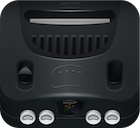
The website N64Squid has a page dedicated to Nintendo 64 development hardware that is well worth a look: Nintendo 64 development hardware - N64 Squid. This page aims to compliment that page and give additional details about the hardware, so it is recommended you read that page first 1.
Official Development Kit
SGI started work on what it called the Reality Engine in 1992, this technology cost $100,000 but produced some of the most beautiful 3D demos that the world had ever seen. An SGI employee called Tim Van Hook then took this technology and produced a functionally similar engine at a much cheaper price point and called it the Multimedia Engine 2.
It was this technology that SGI wanted to bring into the home, but they decided that they would need the help of a major player in the video game industry, Nintendo. Thus in August 1993 the Ultra64 project began its life as a partnership between Nintendo and SGI.
Early Development Hardware - SGI Onyx
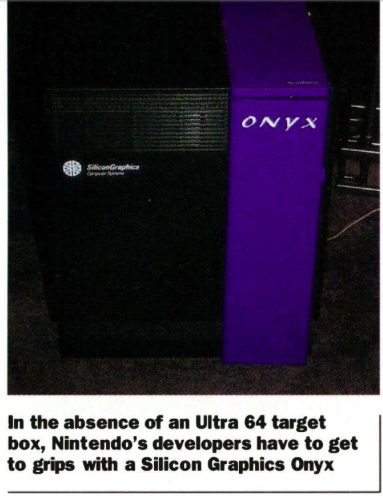
In the very early days of the Ultra64 project the retail hardware was still under active development, but games would need to start development as soon as possible so that the system could have launch titles.
As there was no ready hardware to use early developers such as Shigeru Miyamoto for the platform used the SGI Onyx and it’s Multimedia Engine along with a software emulation layer to model how they envisioned the Ultra64 project. This is where Super Mario 64 started its life in July of 1994 2.
All the launch titles had to be developed on the SGI workstations with the software emulation layer until working prototypes of the Nintendo 64 hardware was available and could be slotted in the same SGI workstations.
The earliest mention of the SGI Onyx being used as an early development kit for the Nintendo 64 was in the Edge UK magazine issue 20 from May 1995. 3.
Nintendo 64 Development Unit (SGI IRIX workstations)
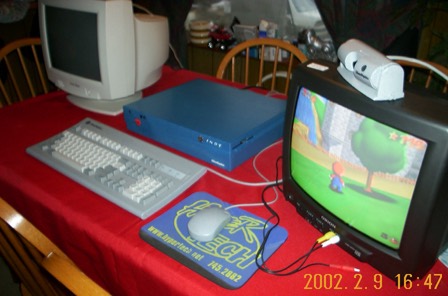
As the N64 hardware matured so did the development hardware, the Nintendo 64 Development Unit was one of the first evolutions of the development kit and was sold directly by Nintendo from October 1996 onwards.
It consisted of a standard SGI workstation such as an Indy with an add-on board containing the retail Nintendo 64 hardware.
This has the benefit of not using any workstation hardware resources to run the games as it used the N64 hardware directly and just communicated with it for debugging 4.
N64 hardware add-on board (Nintendo 64 Development Board)
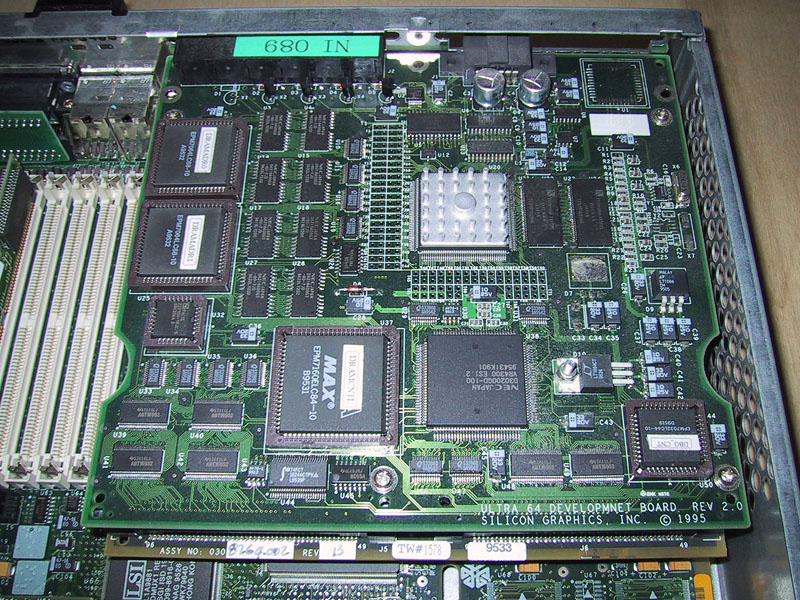
The add-on board slips into the SGI Indy workstations case and has pretty much all the hardware from a retail console, with a few changes to allow the communication between the IRIX operating system and the hardware.
N64 Hardware Connectivity
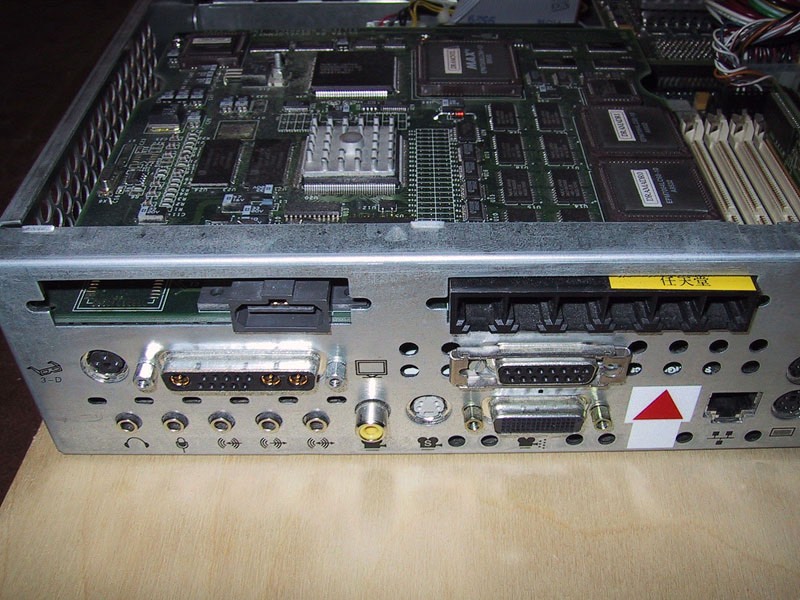
You can see the standard SNES/N64 A/V out socket in the back on the Indy, apart from this the connectivity was very sparse. The controllers connected via another bit of hardware and are not on the add-on board at all.
If you look closer you will notice that there is a number of ethernet ports which actually go to the add-on board. These are used to connect to multiple development hardware including an adapter for retail controllers which can be seen in a tweet from Shane Battye .
But wait a minute; don't u64 development boards require a 'Joybus' adapter?
— Shane Battye (@shanebattye) September 21, 2019
Yep, but only if they're interfacing with retail type controllers (which may have been available not too long after RJ-11 development controllers)... pic.twitter.com/kY3wOjPQug
KMC Partner-N64
The Nintendo 64 Development Unit later evolved into the Partner-N64 series of hardware by KMC (Kyoto Microcomputer, Co. Ltd.) and consisted not only of hardware for the SGI workstations but also created a version that worked on standard Windows PCs!
KMC Partner-N64NW (Network SGI workstations)
Unlike the Nintendo 64 Development Unit this development kit didn’t contain an add-on board and instead connected directly to a modified retail N64. This was achieved using a custom cartridge known as a Debugger Pak slotted in the N64 with a network adapter that could be connected directly to an SGI workstation such as an Indy 5.
Check this out!
— BehindTheCode (@GerryRobotics) December 11, 2020
Here is an Ultra rare #N64 development kit. The "Partner-N64 NW".
Targeted at Game development Studio's using SGI Indy computer systems.
This version of the Partner dev system communicates with the Indy over the Ethernet LAN port. #N64Dev #RETROGAMING #gamedev pic.twitter.com/SEHLgRece1
KMC Partner-N64PC (Windows PCs)
The Partner-N64PC was another full official development kit by KMC (Kyoto Microcomputer, Co. Ltd.) specifically for Windows PCs.
The SDK that comes with the Partner-N64PC was provided by Metrowerks (Codewarrior).
Fun Fact! The official Nintendo #N64Dev Kit released by Kyoto Microcomputer, was called the "PARTNER-N64". The Kit was actually available in two versions. One for Windows PC, and the second for the SGI INDY. This was KuC's way of attracting Game Studios using SGI INDY equipment. pic.twitter.com/mLfbZRFZeH
— Gerry_MAN (@GerryRobotics) June 19, 2019
Partner-N64 Debugger Pak
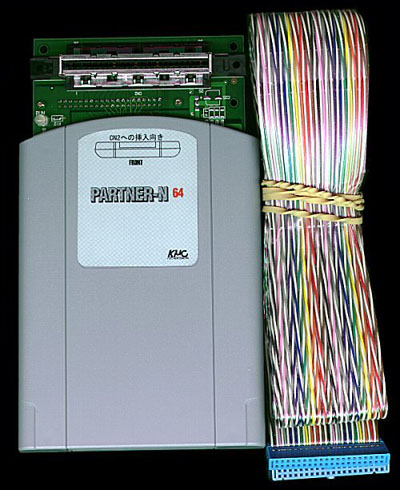
The Debugger Pak was used by both Partner-N64PC and Partner-N64NW, it functioned similarly to the standard Game Pak but were longer and had the connection port at the top for connecting to the PC. This allowed full debugging support such as breakpoints and stack traces to be used.
ISA Card (Dedicated Interface board)
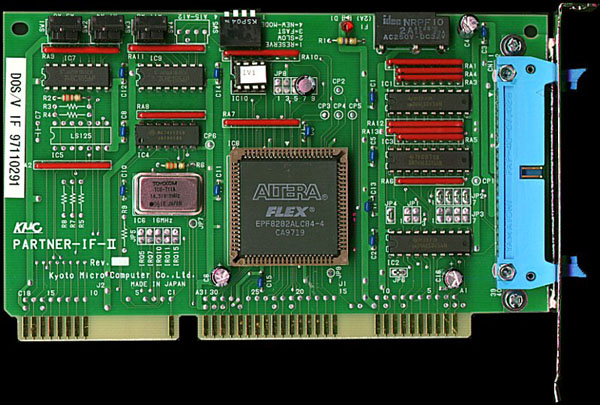
The ISA card was a small add-on card that could be slotted a the standard PC’s ISA bus slot and contained just enough hardware to allow communication over the port.
The ISA card comes as part of the Partner-N64PC pack but you could also buy a PCI version separately for $350 6.
Notice that there are DIP switches at the top of the board that need to be configured before installing to make sure that the I/O addresses for communication match the PC.
Modified N64 (Control Deck Assembly)
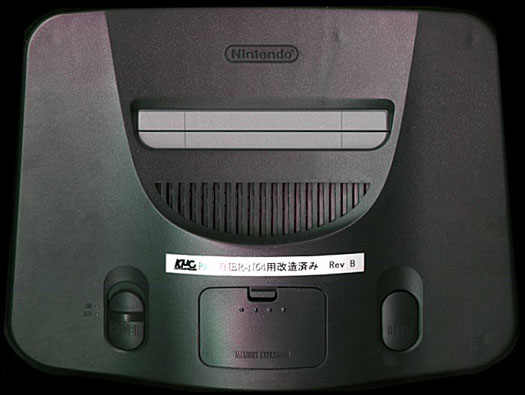
In order to use the Partner64 the retail N64 console hardware had to be modified, these normally came with the development kit when you bought the Partner64 or you could buy a separate one for about $200 6.
Ultra64.ca has an excellent tutorial which shows you how to create your own Partner N64 development kit for home-brew development, very cool! It is available here: Make your own Partner N64 console, for use with IS Viewer : Nintendo (Ultra) 64
Usage of Partner64
The official Partner64 development kit was quite popular and used both inside and outside of Nintendo.
Here is a list of games that still contain KMC Partner64 debug code thanks to a Pastebin by user ZOINKITY 7:
- 1080 TenEighty Snowboarding
- 64 Oozumou 2
- 64 Trump Collection - Alice no Wakuwaku Trump World
- AI Shougi 3
- Aidyn Chronicles - The First Mage
- Battlezone - Rise of the Black Dogs
- Blues Brothers 2000
- Brunswick Circuit Pro Bowling
- Buck Bumble
- Charlie Blast’s Territory
- Dragon Sword 64 (NTSC) (Proto)
- Earthworm Jim 3D
- Elmo’s Letter Adventure
- Elmo’s Number Journey
- Fighter Destiny 2
- Fighting Force 64
- GameShark Pro (v2.0)
- Ganbare Goemon - Neo Momoyama Bakufu no Odori / Mystical Ninja Starring Goemon
- Ganbare! Nippon! Olympics 2000
- Gex 3 - Deep Cover Gecko
- Gex 64 - Enter the Gecko
- Glover 2 (USA) (Proto) [[internal crc B7F40BCF 553556A5]]
- Harvest Moon 64 / Bokujou Monogatari 2
- Hercules - The Legendary Journeys
- Hyper Olympics in Nagano 64 / Nagano Winter Olympics ‘98
- Ide Yosuke no Mahjong Juku
- International Superstar Soccer 2000
- International Track & Field - Summer Games / International Track & Field 2000
- Jikkyou J.League 1999 - Perfect Striker 2
- Kakutou Denshou - F-Cup Maniax
- Legend of Zelda, The - Majora’s Mask (Debug)
- Lylat Wars
- Mario Party (Europe)
- Mario Party 3 [[USA, PAL, +not+ Japan]]
- Micro Machines 64 Turbo
- Midway’s Greatest Arcade Hits - Volume 1
- Mischief Makers (USA) (Rev A)
- MRC - Multi Racing Championship
- NFL Blitz - Special Edition
- NFL Blitz 2001
- Nightmare Creatures
- Parlor! Pro 64 - Pachinko Jikki Simulation Game
- Pokemon Puzzle League
- Pokemon Stadium 2 / Pocket Monster Stadium 3
- Polaris SnoCross
- Powerpuff Girls, The - Chemical X-Traction
- Premier Manager 64
- Ready 2 Rumble Boxing
- Ready 2 Rumble Boxing - Round 2
- Road Rash 64
- Rockman 64 (Japan) (Proto)
- Star Fox 64 (Rev A) (Japan and USA; not in v1.0)
- Superman (USA) (Proto) (not in retail version)
- Tom and Jerry in Fists of Furry
- Triple Play 2000
- WCW Nitro
- 4567 (64DD)
- Dezaemon DD (64DD)
- Doshin the Giant (retail and demo) (64DD)
- Doshin the Giant 2 (64DD)
- Mario Artist Communication Kit (64DD)
Monegi Smart Pack
Also on display will be a #64DD dev kit with Monegi Smart Pack. These setups were probably the last 'official' N64 development systems and likely used for later Hudson titles as well as being sold alongside the CodeWarrior IDE. They supported 512mb ROMs and 64DD out of the box pic.twitter.com/We3h3ahXa3
— Shane Battye (@shanebattye) October 5, 2019
IS-Viewer 64
The IS-Viewer64 or IS64 for short was the official way to create a N64 prototype cartridge than ran on a modified version of retail hardware. It is a flash cart created by Intelligent Systems (hence the IS prefix) and was released as part of the official N64 development kit. This did not have debug support such as breakpoints and stack traces and this was much cheaper than alternatives. Although It cost around 1800 USD on release so was still an expensive solution 8.
View it in action in the excellent video below by BehindTheCode 9:
The main benefit of the IS-Viewer64 over alternative flash carts available to developers was the crazy fast transfer speed, allowing games to be written to the onboard RAM in as little as 30 seconds! 10.
Usage of IS-Viewer64
The IS-Viewer 64 was used to develop the two Zelda games (Oracle of Time, Majoras Mask) and still contains some code to write out debug messages to a connected PC on the retail ROM 11.
Here is a list of games that still contain IS64 debug code thanks to a Pastebin by user ZOINKITY 7:
- Castlevania / Akumajou Dracula Mokushiroku - Real Action Adventure
- Dance Dance Revolution - Disney Dancing Museum
- Ganbare Goemon - Neo Momoyama Bakufu no Odori / Mystical Ninja Starring Goemon
- Ganbare! Nippon! Olympics 2000
- Hyper Olympics in Nagano 64 / Nagano Winter Olympics ‘98
- J.League Tactics Soccer
- Mario Artist Paint Studio (64DD)
- Paper Mario
- Legend of Zelda, The - Ocarina of Time - Master Quest (Debug)
- Legend of Zelda, The - Ocarina of Time (Debug)
- International Superstar Soccer 2000
- International Track & Field - Summer Games / International Track & Field 2000
- Jikkyou J.League 1999 - Perfect Striker 2
- Legend of Zelda, The - Majora’s Mask (Debug)
- Mario Party 3 [[USA, PAL, +not+ Japan]]
- Midway’s Greatest Arcade Hits - Volume 1
- Pokemon Stadium 2 / Pocket Monster Stadium 3
- 4567 (64DD)
- Doshin the Giant 2 (64DD)
- Mario Artist Communication Kit (64DD)
LuigiBlood has written a script for the Project64 emulator that logs IS-Viewer64 function calls that can be used with the games listed above: EmuScripts/N64/Project64/IS64Log.js at master · LuigiBlood/EmuScripts · GitHub
Prototype Cartridges (NUS-8F16F/NUS-16F32SB/NUS-16F32S/NUS-16F32S)
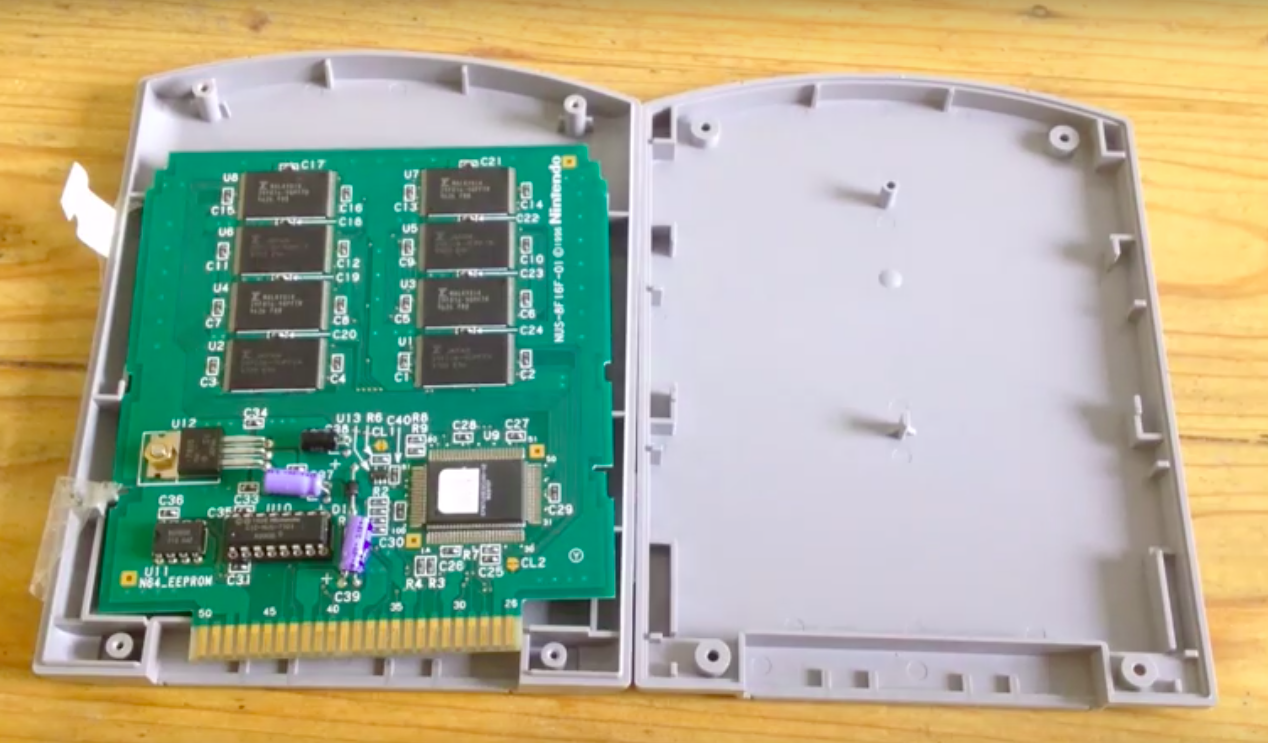
Rewritable Prototype cartridges were available to buy and came in 128Mb, 256Mb and 512Mb configurations, with the largest capacity being the most expensive.
These were given out to journalists to preview/review the games in their magazines before the official launch of the game along with being used to demonstrate upcoming games at trade shows such as E3 12.
They are double the size of regular N64 games and they are actually re-writeable 7 at a time using a flashing device by Intelligent systems.
Unofficial N64 Development Kit
SN64 (SN Systems)
SN Systems released their own cheaper Nintendo 64 development kit aimed at smaller studios and it was used to create some classic games such as Resident Evil 2 13. It was an SRAM based cartridge with a PCMCIA SCSI-2 interface card and utilized Sn Systems Pro-DG software to upload ROMs on to the cartridge from a Windows PC.
You can view a cached version of the official SN systems SN64 development kit thanks to Icequake SN64 Nintendo64 Development Tools
Check this out!!
— Gerry_MAN (@GerryRobotics) October 4, 2019
I recently acquired these #N64dev cartridges called the "SN64" and the "Maestro64".
Manufactured by the company:
"SN Systems". The more Rare of the two is the Maestro64, which was used for N64 Sound development. #N64 #RETROGAMING https://t.co/9vvlB1MOQ7 pic.twitter.com/NRHoj2Uu34
Gerry also managed to get it up and running:
Check this out!
— BehindTheCode (@GerryRobotics) March 1, 2021
The "SN64" SRAM development cartridge. Developed by SN-Systems in the 90's for the #N64.
My test setup entails a PCMCIA SCSI-2 interface card, docked to a PC dev laptop running Windows 2000. Software is ProDG debugger + rom uploader GUI.
😎👌#N64Dev #RETROGAMING pic.twitter.com/fPCBGRUz50
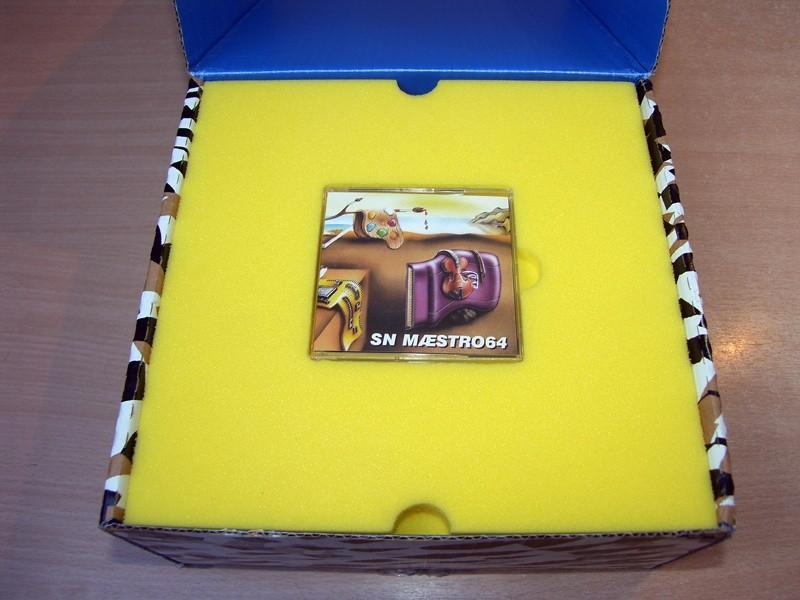
Maestro64
SN Systems also released an unofficial development kit created specifically for Musicians called the Maestro64, we have another post specifically for this piece of hardware.
Bung DoctorV64
The Doctor V64 was a 3rd Party Development kit and Piracy device that was much cheaper than the official nintendo development kits 14. It is the original Creator of .v64 files (it has functionality to dump carts) and even came with a CD full of N64 roms.
Retro Tech Archive demonstrates the Bung Doctor V64 as a Nintendo 64 development system. The hardware tour complements the specifications and connection details below.
Development Studios known to have used The V64
- Acclaim/Iguana (Turok series)
Technical Specifications
- Manufacturer: Bung Enterprises Limited
- Release Date: 1997
- Launch Price: $450 USD 15
- Onboard CPU: MOS Technology 6502 (8-bit)
- System Memory: 128 megabits (16 MB) DRAM initially; later revisions included 256 megabits (32 MB) to accommodate larger games.
- Storage Media: IDE CD-ROM drive (initial runs featured 8x speed; later models were upgraded to 16x and 32x).
- Interfacing & I/O:
- Connects to the N64 via the bottom EXT expansion port (which shares the same connector pinout as the top cartridge port) 15.
- Pass-through cartridge adapter to mount a retail N64 cartridge, acting solely as a donor to satisfy the console’s PIF (Peripheral Interface) and CIC security handshake.
- Standard Parallel Port located on the rear for PC data transfer.
Pass-through Cartridge Adapter
The Bung Dr V64 required a cartridge to be placed in the cartridge slot in order to interrupt the signal coming from the official game cartridge and instead send the data from the V64. The original cartridge that you put in the top was just used for the CIC anti-piracy check.
Doctor V64 emulation cartridge adapter; 50-pin connector and PCB with solder across pin 9 and 10 #N64dev pic.twitter.com/tqrdJB9wZU
— Shane Battye 🎮 (@shanebattye) January 30, 2018
Core Functionality
- Cartridge Dumping: Capable of copying native N64 cartridge data directly into its internal DRAM. This data can be transmitted to a PC over the parallel connection. The ubiquitous
.v64ROM file extension originated directly from this hardware. - ROM Execution: Loads binary game files from a CD into DRAM, allowing the console to boot them as if they were genuine cartridges.
- Media Playback: Operates as a standalone external Video CD (VCD) player.
- System BIOS: Utilized a custom BIOS that could be updated or replaced by pushing a new firmware file over the PC transfer cable.
Connecting a Doctor V64 to a Windows PC for N64 Development
BehindTheCode has a detailed video demonstrating how to configure a Doctor V64 backup device with Windows 98 and Windows 7 PCs to create a complete Nintendo 64 development test station. The video explores the device’s internal PCBAs and demonstrates using software like TPC2 and RTOOL64 for loading ROMs into the DrV64’s internal SRAM and dumping cartridge data directly to a PC. Additionally, it highlights a rare Acclaim “ArtSend” development cartridge setup that was utilized during the creation of Turok 3.
Rareware custom cartridges
RAREWARE N64 security dongle
Check this out!
— BehindTheCode (@GerryRobotics) November 24, 2020
This is a proprietary RAREWARE N64 security dongle.
These adapters prevented N64 prototype games from booting, unless the Dongle was connected.
Used by Rare Ltd. specifically during development of games such as Conker's Bad Fur Day.#RETROGAMING #N64Dev #gamedev pic.twitter.com/WdyvTj3mhX
Official Sound Development Tools
Nintendo released multiple hardware for Sound designers to test their creations on the real hardware without having to bug the developers to borrow a full development machine.
The SDK also came with the N64 Sound Tools and MusyX Audio Tools which contain software such as a sound sample editor which used a format similar to MIDI 16.
NUS-SUD (Sound development)
Gerry_MAN has taken some excellent photos of his NUS-SUD on Twitter along with photos of him actually managing to connect and send data from his PC to the hardware!
Check this out!
— Gerry_MAN (@GerryRobotics) 10 October 2019
The #N64dev SoundTools Dev cart streams Music or samples in real-time to the #N64. Sent over an LPT printer cable. Notice the white squares? @ the bottom of the screen?
Sound PEAK meters!!
Inactive when the Cart is not streaming sound.
Pretty cool!! #RETROGAMING pic.twitter.com/ZpgL1RtSdD
For the Updated version 3.0 of the ROM you can actually see the pre-existing peak meter pixels as they are just slightly visible...as shown in the image below. Would be cool to get a Version 3 of the SoundTools cart someday.
— Gerry_MAN (@GerryRobotics) 10 October 2019
Pretty Awesome!!
😎👌 pic.twitter.com/xAZ8moXAXe
Full Devkit used by Sound designers
The full n64 development kit was used by Sound designer Grant Kirkhope at Rare to produce masterpieces such as Banjo-Kazooie and GoldenEye. This consisted of a Silicon Graphics Indy with the N64 hardware used as an extension inside it 16.
Hmmm I don't think I did. I had a Silicon Graphics Indy computer with the Ultra 64 circuit board inside it. I connected my PC to it via midi
— Grantilda Von Scarehope (@grantkirkhope) October 10, 2019
References
-
BTC #3 RARE Nintendo N64 “IS-VIEWER 64” Development Cartridge - NOW WORKING!! - YouTube ↩
-
RARE N64 “IS-VIEWER 64” SCSI Development Cartridge - Up and Running!! - Nintendo 64 Forever ↩
-
Gamasutra - Postmortem: Angel Studios Resident Evil 2 N64 Version ↩
-
Bung Doctor V64! A 3rd-Party N64 Development System - H4G - YouTube ↩
-
The Doctor V64 - Nintendo 64 DevKit or Piracy Device - MVG - YouTube ↩ ↩2