Retro reversing logo

Game Console Hardware

Edit on Github | Updated: 11th January 2026

Welcome to our our page dedicated to the hardware topics related to reverse engineering! This page serves two roles. It groups all of our posts related to physical Hardware, and it aggregates high quality sources from the web into create a unified reference.

Retro Gaming Hardware

This section collects the main topics related to the general hardware components that are used in game consoles and development kits.

What is Game Console Hardware Architecture?

A game console itself is a series of chips placed on to a board, however unlike a PC motherboard it contains specialist chips that can normally not be upgraded.

The placement of the chips on the board is called the hardware architecture and it is an art as much as a science, it needs to be carefully crafted to get the most performance out of the system.

It also needs to implement anti-piracy measures, which is why many systems required a physical mod-chip installed in order to by pass copy-protection or region-lock.

Knowing the hardware is vital for understanding why a game was written the way it was, game programming is not easy and developers wanted to get the most out of the hardware.

This resulted in them having to write strange code in order for the hardware to be pushed to the limits. It’s this attention to hardware detail which makes developing an emulator a very tricky task and results in some games being unplayable or missing certain features.


Microprocessors

This section tracks the key CPUs that defined each console generation, from simple 8-bit designs to richer 16/32-bit hybrids. Knowing their instruction sets, bus layouts, and quirks is essential for emulation, tooling, and reverse engineering hardware behavior.

MOS 6502 (1975+)

Released by MOS Technology in 1975, the 6502 was designed as an affordable alternative to the more expensive microprocessors of its time. It was used in the Nintendo Entertainment System, Atari 2600, Commodore 64 and many others. We have a specific post all about is here:

Motorola 68K

Motorola’s 68K family powered a generation of consoles and computers thanks to its clean CISC design and generous register set. It was famously used in the Sega Genesis/Mega Drive, Atari ST, and early Macintosh systems, we have a specific post all about is here:

The PowerPC

The PowerPC was a collaboration between Apple, IBM, and Motorola, custom PowerPC chips used in the Nintendo GameCube (Gekko), Wii (Broadway), Xbox 360, and PlayStation 3.


Development Kit Hardware

We have all our Game Console Development Kit Hardware posts categorised from a single page, acting as a central hub for understanding the specialized hardware used to create video games:


Game Specific Hardware

Game Cartridge Hardware

Cheat Cartridge Hardware


Retail Console Hardware

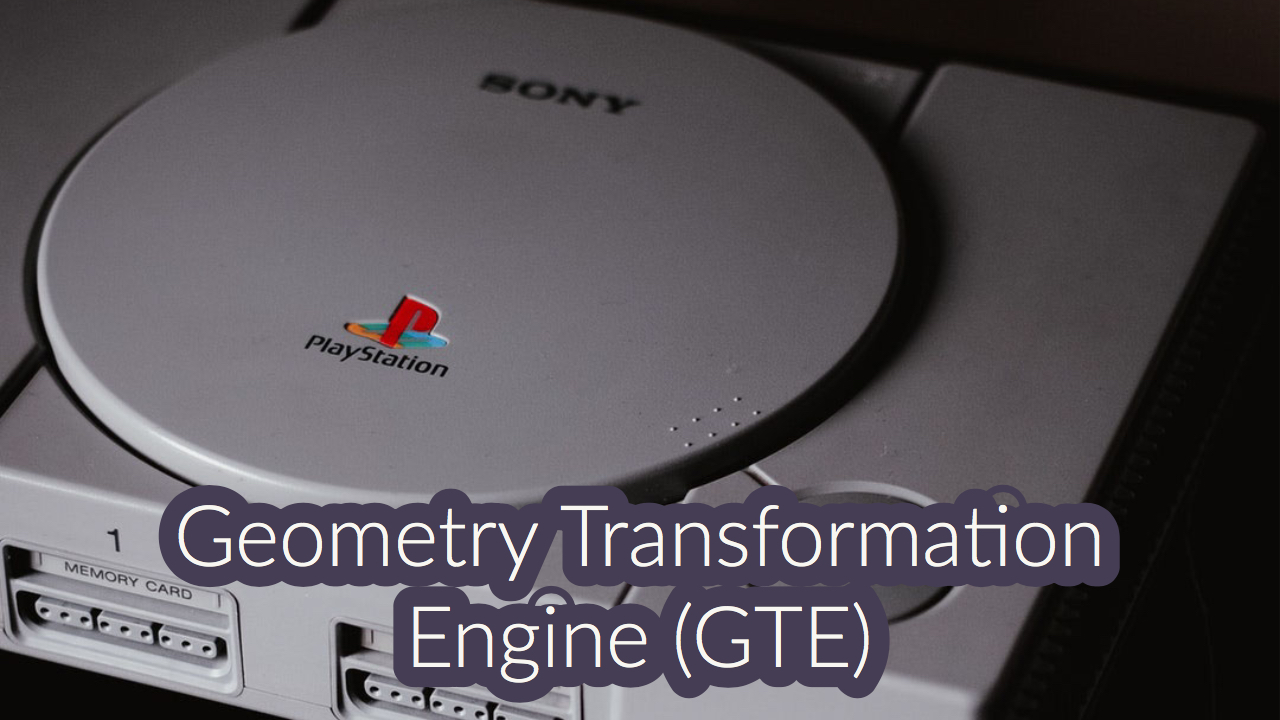
Evolution Of PlayStation Hardware (PS1 to PS4)

gameranx has an excellent video documenting the architectural evolution of Sony’s console line from 1995 to 2013. It details key hardware transitions, including the PS1’s dedicated 3D processing, the PS2’s Emotion Engine and DVD integration, the PS3’s complex Cell Broadband Engine with Blu-ray support, and the PS4’s shift to a developer-friendly x86-64 APU with unified GDDR5 memory.

Nintendo 64 Console Hardware

SEGA Saturn Hardware

Nintendo Gamecube Hardware


Hardware Reverse Engineering

How to Reverse engineer a microchip

Verilog - Hardware Description Language

rePalm: Porting PalmOS to the Fisher-Price Pixter Color

Dmitry.GR has an excellent write up about reverse engineering the Fisher-Price Pixter Color to run PalmOS 5. It covers the challenges of the device’s minimal Sharp LH75411 ARM7 SoC (lacking cache and MMU), creating a custom cartridge for code execution, and optimizing performance for the hardware’s slow memory bus and STN display.


All Posts

Official Development kits Nintendo’s official 3DS development hardware was created in collaboration with Intelligent Systems (IS) and Kyoto Microcomputer Co.. CTR-TEG2 - CTR Target Board - Prototype Hardware The earliest... ...

Retro reversing logo
The 6502 Microprocessor - Gaming's Unsung Hero

The 6502 Microprocessor The 6502 microprocessor was an 8-bit microprocessor that was incredibly popular for 8-bit home computers (e.g Apple II) and consoles (e.g NES) due to its low cost.... ...

Retro reversing logo

The Motorola 68000 - Powering the Gaming Revolution Introduction The video game industry has witnessed remarkable technological advancements throughout its history, with one pivotal component that played a significant role... ...

Retro reversing logo

Awesome list of Arcade Game Development information

...

Bung Doctor v64 (N64)

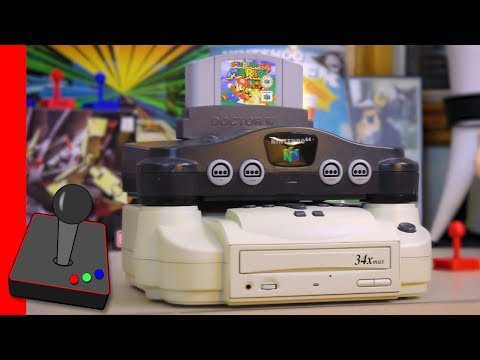
Bung Dr V64 The Doctor V64 was a 3rd Party Development kit and Piracy device that was much cheaper than the official nintendo development kits 1. It is the original... ...

Retro reversing logo

Action Replay (Datel) Datel first developed their Action Replay cartridges for the Commodore 64 in 1986 1. The Action Replay line then went on to include products for the NES,... ...

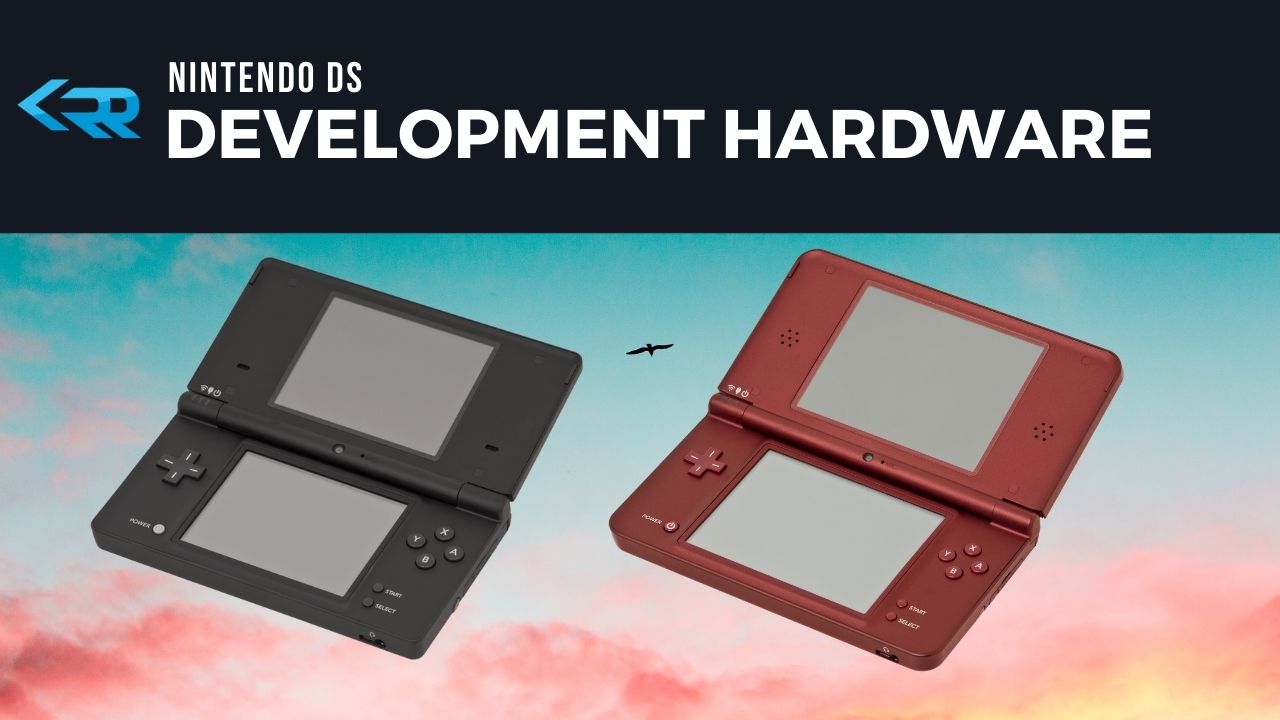
Nintendo DS (Nitro) Development Kit Hardware

Official Development kits This section will cover the official development kit hardware sold by Nintendo and developed by Intelligent Systems. The Nintendo DS was initially codenamed IRIS during development and... ...

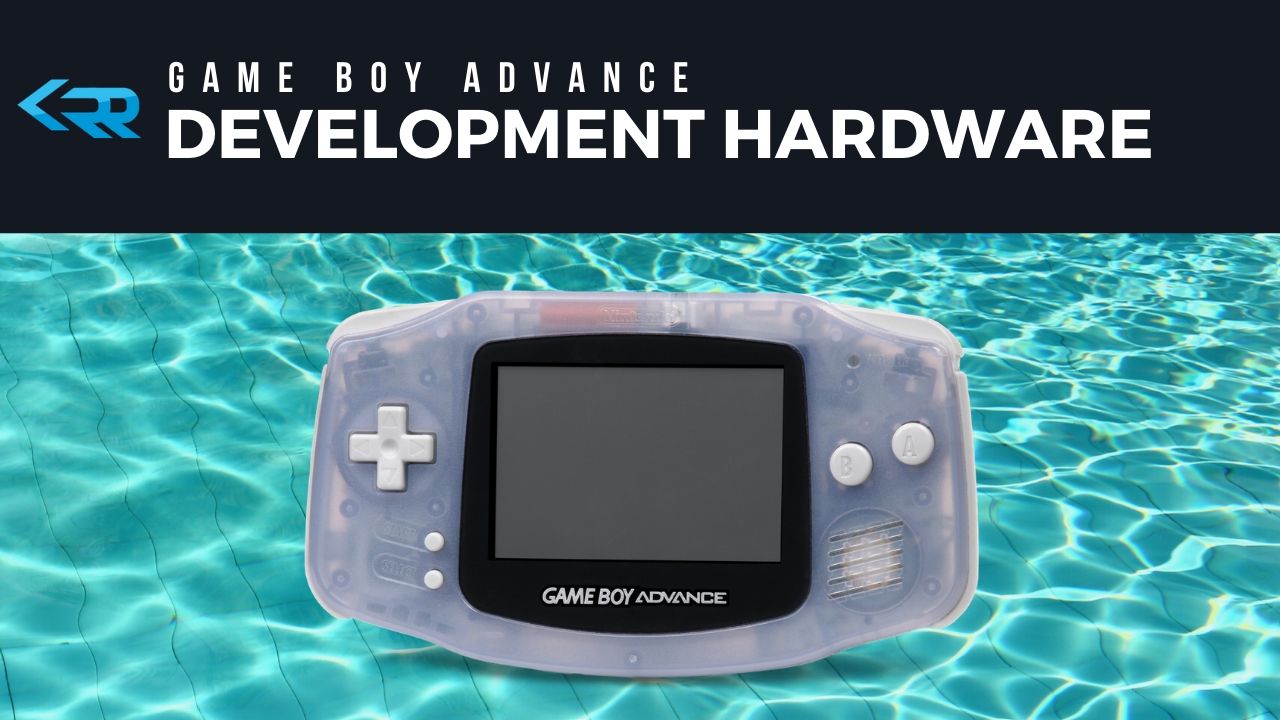
Game Boy Advance (AGB) Development Kit Hardware

Official Development Kit Hardware The Game Boy Advance official development kits were incredibly similar to the original Game Boy and Game Boy Color devkits. In fact they reused the same... ...

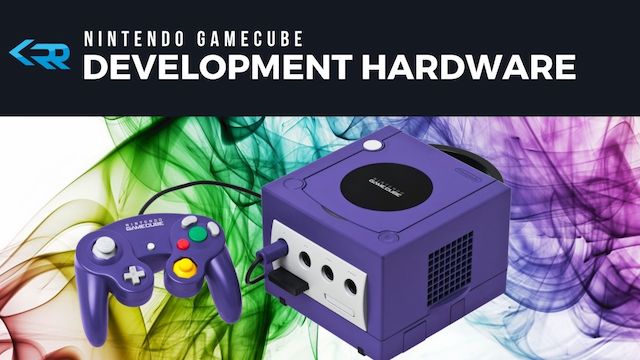
Nintendo Gamecube (Dolphin) Development Kit Hardware

AMC Dolphin Development Hardware (DDH) The earliest Gamecube development hardware available to game developers was known as the Dolphin Development Hardware or simply DDH for short. This system was sold... ...

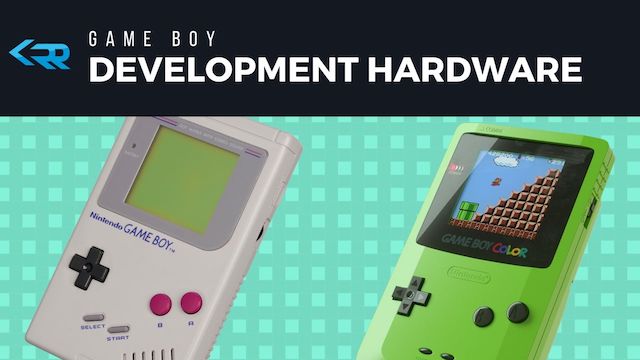
Gameboy (DMG & GBC) Development Kit Hardware

This post covers all the hardware developers used to create games for the original Dot Matrix Game Boy (DMG) and Game Boy Color (GBC) and some were even used for... ...

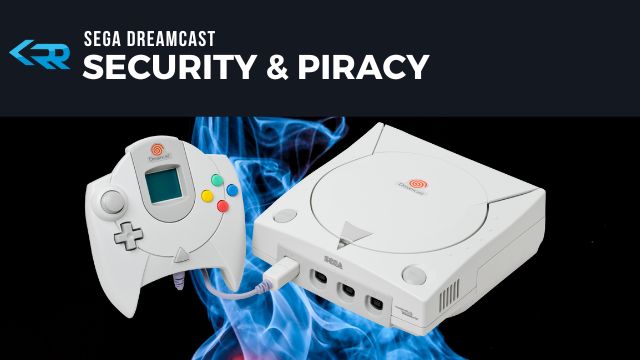
How the Dreamcast's Security was Hacked (MIL-CD)

History of Dreamcast Hacking Neperos hosts an article (originally from Retro Revival magazine) that chronicles the rise of the Sega Dreamcast homebrew scene. The piece details how the “MIL-CD” exploit... ...

How to reverse engineer a microchip

In this tutorial from Robert Baruch on his youtube channel [], the target chip used in the video series is the Texas Instruments 74LS01 Logic gate from 1986. First step... ...

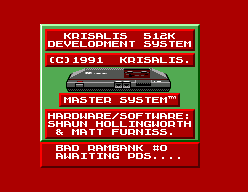
Krisalis Development Kit (Sega Master System/Game Gear)

Krisalis Development Kit In the early to mid 1990s Krisalis Software Ltd created their own in-house sega Game Gear and Master System Development Kit. Shaun Hollingworth and Matt Furniss are... ...

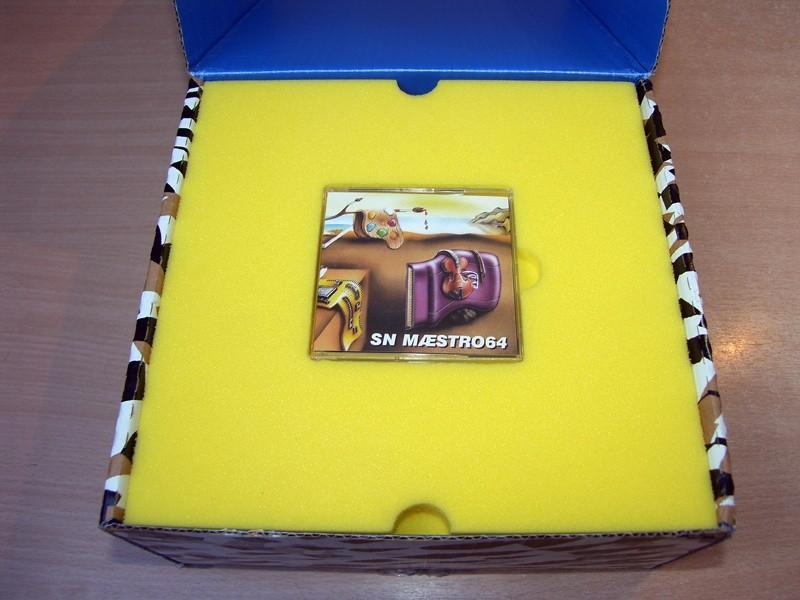
Maestro64

SN Systems Maestro64 was a development kit sold to game studios in the late 1990s mainly for use by 3D artists, Sound designers and the like rather than programmers. It... ...

Sega Mega Drive (Genesis) Development Kit Hardware

The SEGA Mega drive was released on October 29th 1988 in Japan following with North America almost a year later and Europe another whole year later than that! During its... ...

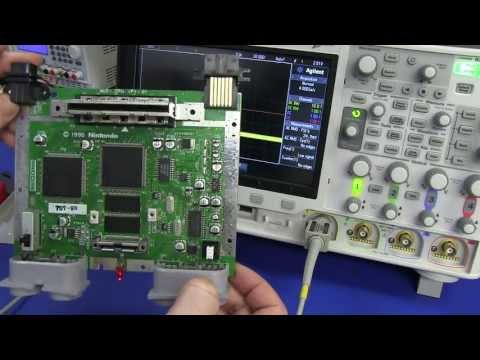
Nintendo 64 Hardware Architecture

The Nintendo 64 hardware brought incredible processing power into players homes with its 64-bit architecture and state of the art graphics. In order to pull this off Nintendo worked with... ...

NES (Famicom) Development Kit Hardware

Introduction The Nintendo Famicom was released in Japan on 15th July, 1983 at a price of 14,800 yen. Development for the machine was strictly controlled by Nintendo as they didn’t want... ...

Net Yaroze - The PS1 Consumer Dev Kit

Introduction to the Net Yaroze The Net Yaroze was a consumer development kit for the PlayStation 1, it consisted of a customised retail console with the ability to connect to... ...

Official Nintendo 64 (Ultra 64) Development Kit Hardware

The website N64Squid has a page dedicated to Nintendo 64 development hardware that is well worth a look: Nintendo 64 development hardware - N64 Squid. This page aims to compliment... ...

Official PlayStation Portable Development Kit

Official PSP Development Kit hardware The hardware supports booting games from both the UMD and DVD drive, the DVD drive can even boot games from standard DVD-R/RW and so many... ...

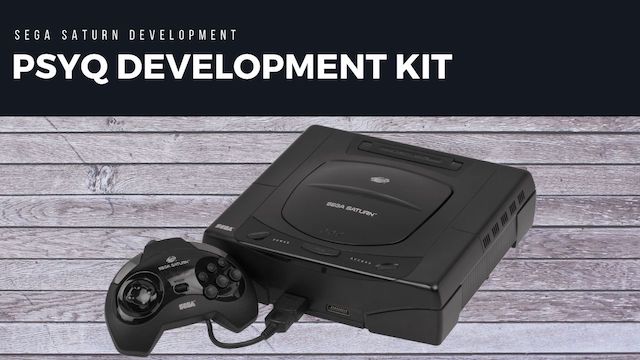
Psy-Q Sega Saturn Development Kit

Introduction to PSY-Q Saturn The PsyQ Sega Saturn development kit was developed by a partnership of Psygnosis and SN Systems in order to make it really easy to develop for... ...

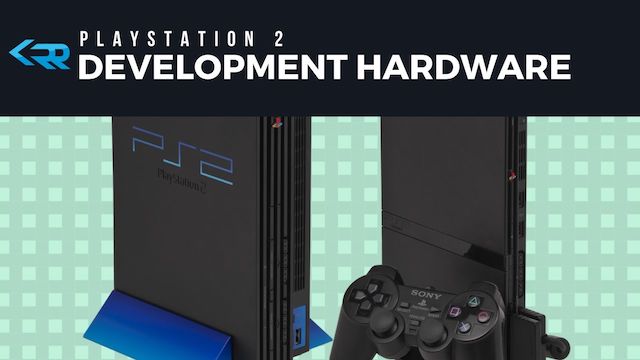
Sony PlayStation 2 Development Kit (Hardware)

This post covers the hardware used to develop Playstation 2 games by major studios back in the day, for the software side see the post on the Official PS2 SDK.... ...

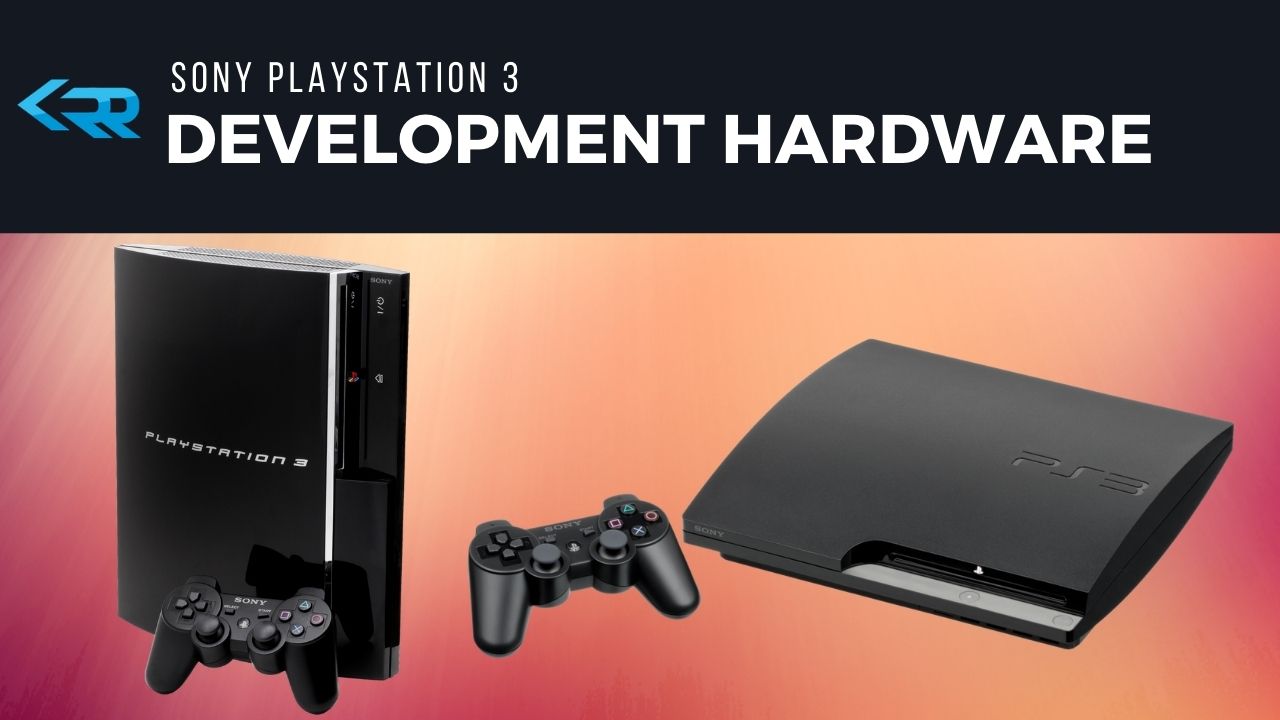
Official PlayStation 3 Development Kit (Hardware)

This post covers the hardware used to develop Playstation 3 games by major studios back in the day, for the software side see the post on the Official PS3 SDK.... ...

This post covers the hardware used to develop PlayStation 4 games by major studios back in the day, for the software side see the post on the Official PS4 SDK.... ...

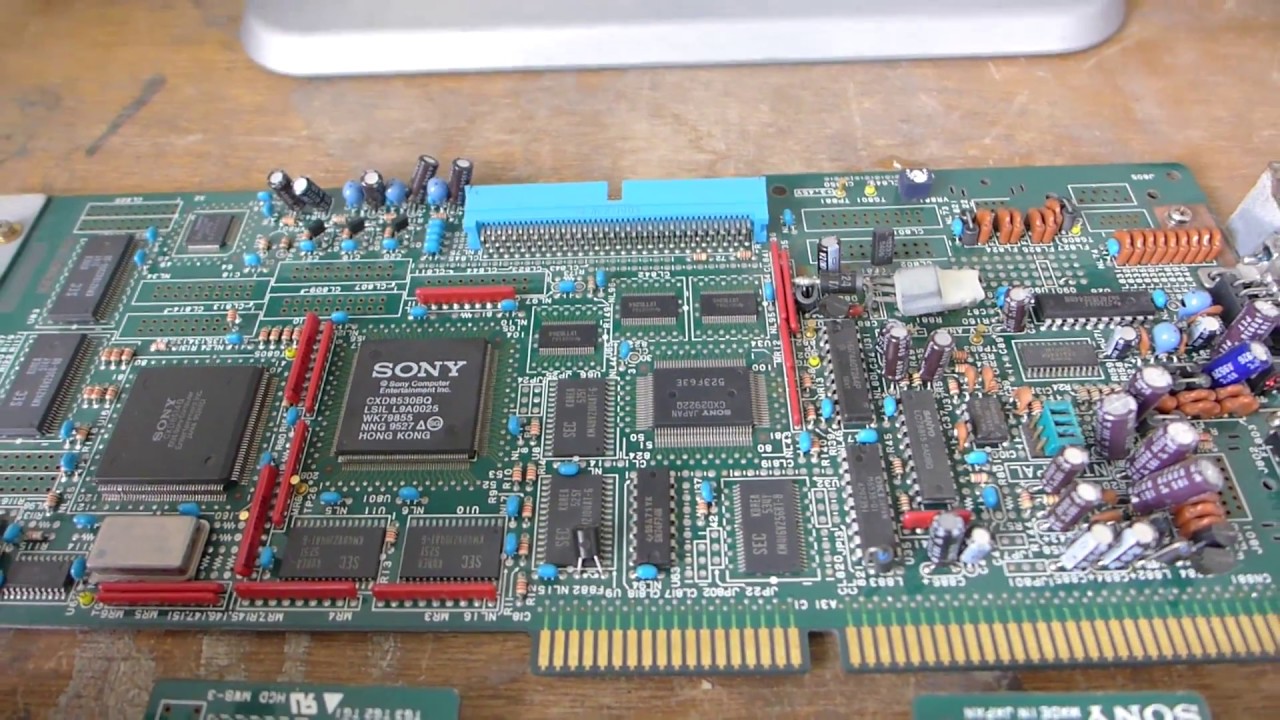
Official PlayStation 1 Development Kit (Hardware)

This post covers the hardware used to develop PlayStation One games by major studios back in the day, for the software side see the post on the PsyQ Software Development... ...

How Retro Cartridges (ROMS) work

Have you ever wondered what exactly is inside those retro game Cartridges (ROMs)? In this post we will find out the purpose of ROM cartridges and how they worked. Advantages... ...

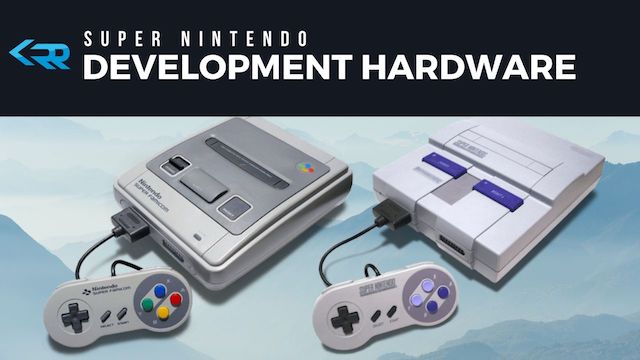
SNES (Super Famicom) Development Kit Hardware

Official Nintendo Development kits Unusually there are actually multiple development kits that could be seen as “official”, one by Nintendo’s Intelligent Systems company and the other by Ricoh who was... ...

Sega Saturn Alpha Transparency Effects

The Sega Saturn’s unique way of drawing 3D vertices made life very difficult for developers to implement Alpha Transparency techniques such as objects fading into view. In Sonic R the... ...

Sega Dreamcast Katana Development Kit Hardware

Official Sega Development hardware In Sega’s internal model numbering system for the Dreamcast, the prefix “HKT” is consistently used across various hardware components and peripherals. While the exact meaning of... ...

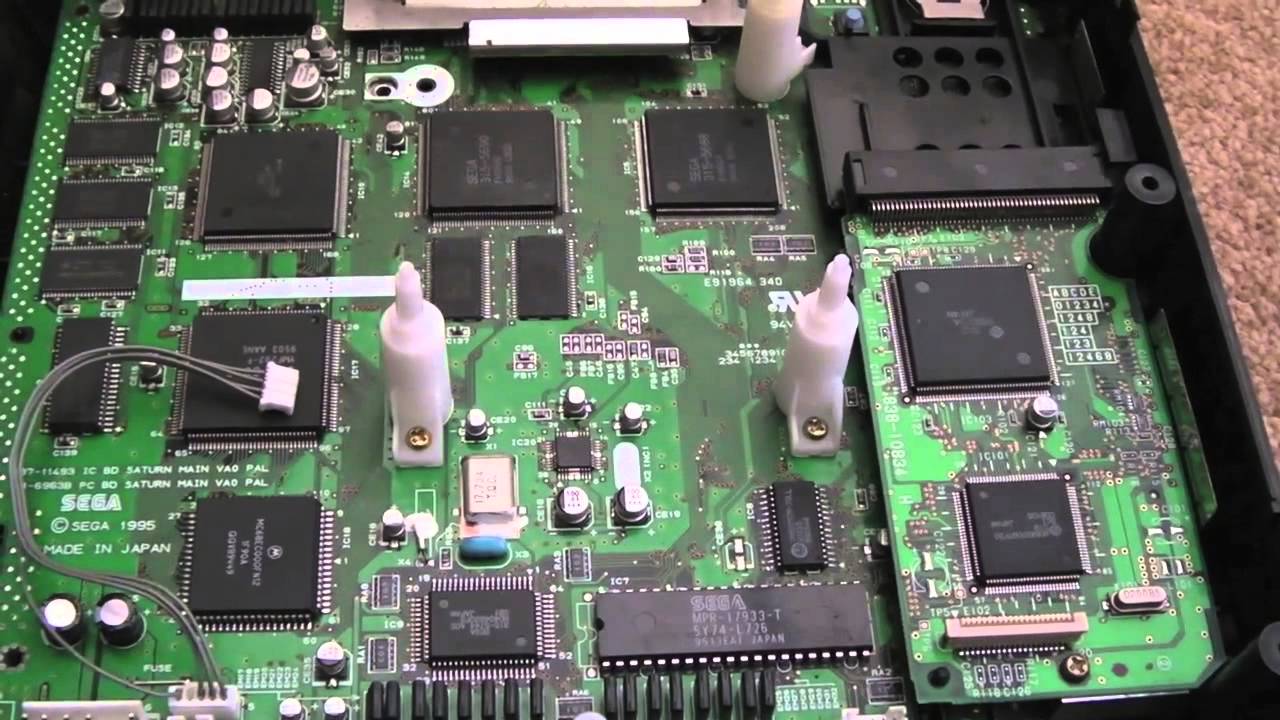
Sega Saturn Hardware Architecture

Image from EDGE magazine issue 23 2x Hitachi SH·2s @28.6MHz, 25 MIPS 16Mbit SDRAM for SH2s 12Mbit SDRAM for VRAM and frame buffer 512K sound DRAM for 68ECOO 32K SRAM... ...

Official Sega Saturn Development Kit (Hardware)

During the Sega saturns lifecycle there were multiple development kits available to developers starting from the original Sphia Systems that came out before the retail hardware, followed by devkits from... ...

Retro reversing logo
Verilog

Verilog (Verify Logic) is a hardware definition programming language, this means that it is a text representation of a Digital circuit. So if you wanted to design your own hardware... ...

Nintendo Wii Development Kit Hardware

Wii Prototype Development Kit The first development kit available for the Wii was actually just a Gamecube with motion controllers! In fact it was the green gamecube development unit called... ...

Microsoft Xbox 360 Development Kit Hardware

Introduction This page aims to collect all the information that is known about the Xbox 260 development hardware, if you know of anything missing please let us know! By development... ...

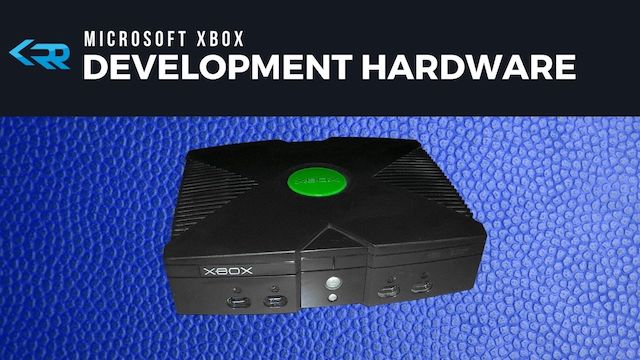
Microsoft Xbox (Original) Development Kit Hardware

Alpha Development Hardware During the development of the Xbox console, the games aiming to be launch titles required a system to develop for. The first development kit that Microsoft sent... ...

Retro reversing logo
Introduction to Development Kits (Hardware)

Introduction to Development Kits (Hardware) Games consoles required specialist hardware in order to develop for them as it was very rare for a PC of the time to be able... ...

Retro reversing logo

Welcome to our our page dedicated to the hardware topics related to reverse engineering! This page serves two roles. It groups all of our posts related to physical Hardware, and... ...

Retro reversing logo

The PowerPC - Shaping the Future of Gaming The PowerPC microprocessor is a name etched in the annals of gaming history. It’s a technological powerhouse that left an indelible mark... ...

Retro reversing logo
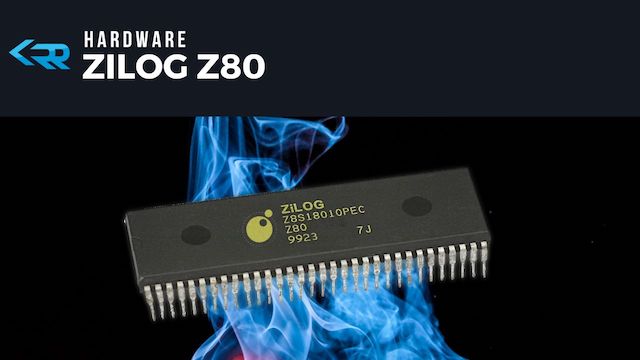
The Z80 Microprocessor - Pioneering Gaming and Beyond

The Z80 Microprocessor: Pioneering Gaming and Beyond The history of the Z80 microprocessor is a tale of innovation and influence that left an indelible mark on the world of computing... ...